
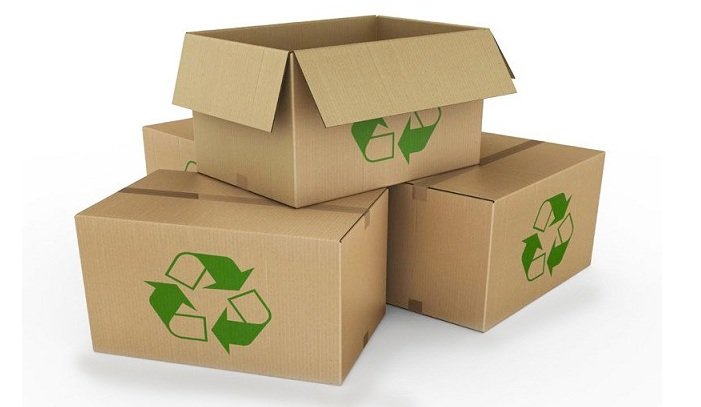
Complete Guide
Share videos or blog posts about your packaging choices, supplier relationships, and design process.
Frequently Asked Questions About Sustainable E-commerce Packaging
What are the primary benefits of sustainable packaging for e-commerce businesses?
The primary benefits of adopting sustainable packaging solutions for e-commerce businesses are multifaceted. Environmentally, they lead to a significant reduced carbon footprint and less landfill waste. From a business perspective, they enhance brand reputation, attract a growing segment of environmentally conscious consumers, foster increased customer loyalty, and can even lead to long-term cost savings through optimized material use and reduced shipping weights. Proactive adoption also helps businesses comply with evolving environmental regulations.
How can e-commerce businesses effectively reduce packaging waste?
To effectively reduce packaging waste, e-commerce businesses should focus on the "Reduce" principle first. This involves right-sizing packaging to minimize empty space and unnecessary material. Utilizing lightweight, yet durable, eco-friendly materials, eliminating superfluous void fill, and consolidating multiple items into single shipments are also key strategies. Exploring reusable packaging systems and designing for easy recyclability or compostability further contributes to significant waste reduction throughout the supply chain.
Are sustainable packaging solutions always more expensive than traditional options?
Not necessarily. While some sustainable packaging solutions may have a higher per-unit cost initially, this often overlooks the broader economic picture. Businesses can achieve cost savings through reduced shipping weights, optimized material usage, and enhanced brand value leading to increased sales and customer retention. Furthermore, avoiding future regulatory penalties and the positive impact on consumer perception can offer a significant return on investment, making sustainable options financially viable and strategically advantageous in the long run.
What is the difference between biodegradable and compostable packaging?
The terms "biodegradable" and "compostable" are often used interchangeably, but they have distinct meanings. Biodegradable packaging means the material will break down into natural elements over time, but it doesn't specify a timeframe or the conditions required for this breakdown. It could take decades in a landfill. Compostable packaging, on the other hand, is designed to break down into nutrient-rich organic matter within a specific timeframe (usually 90-180 days) under specific conditions (either industrial or home composting environments). Compostable materials are generally a more desirable sustainable packaging solution as they contribute to a circular economy by enriching soil.

0 Komentar