
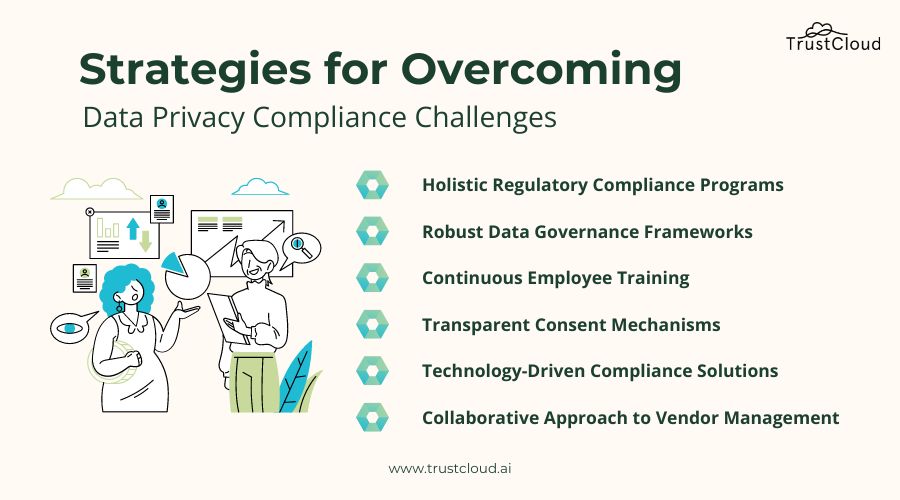
Data Privacy Compliance Training for Managers: Safeguarding Your Organization's Future
In an era defined by digital transformation and escalating cyber threats, data privacy compliance is no longer just an IT concern; it's a fundamental business imperative. For any organization navigating the complex landscape of regulations like GDPR, CCPA, HIPAA, and LGPD, equipping its leadership with comprehensive data privacy compliance training for managers is not merely a recommendation—it's a strategic necessity. This expert guide delves deep into why targeted privacy education for your management team is paramount, how to implement it effectively, and the profound impact it has on mitigating risks, fostering trust, and ensuring long-term organizational resilience in the face of evolving data protection laws.
The Critical Role of Managers in Data Privacy Compliance
Managers stand at the nexus of strategy and execution. They oversee teams, make operational decisions, and often handle sensitive information, including personally identifiable information (PII) and other confidential business data. Without adequate training, even well-intentioned managers can inadvertently create vulnerabilities, leading to costly data breaches, hefty regulatory fines, and irreparable damage to brand reputation. Their understanding of data protection principles, their ability to implement privacy-by-design methodologies, and their capacity to guide their teams in secure data handling practices are absolutely crucial. They are the frontline defenders, translating abstract policies into actionable daily practices, making specialized data privacy education for them indispensable.
Why Manager-Specific Training Is Indispensable
- Strategic Oversight: Managers are responsible for implementing data handling procedures within their departments. Their training ensures these procedures align with broader compliance frameworks and legal obligations.
- Risk Mitigation: A manager's misstep, such as improper data sharing or inadequate access controls, can directly lead to a data breach. Proper training significantly reduces this operational risk.
- Policy Enforcement: They are key in enforcing internal data privacy policies and ensuring their teams adhere to them, acting as the primary point of contact for compliance queries and issues.
- Incident Response Leadership: In the event of a data incident or breach, managers are often the first to identify and report it, and their trained response can significantly reduce the impact and ensure timely legal notifications.
- Building a Culture of Privacy: When managers prioritize and exemplify good data privacy practices, it cascades down to their teams, fostering a company-wide culture where data governance is ingrained in daily operations.
Navigating the Labyrinth of Global Data Protection Laws
The global regulatory landscape concerning data privacy is constantly evolving, presenting significant challenges for multinational corporations and even smaller businesses that interact with international customers. Regulations like the European Union's General Data Protection Regulation (GDPR), the California Consumer Privacy Act (CCPA), Brazil's LGPD, and various sector-specific laws (e.g., HIPAA for healthcare in the US) impose stringent requirements on how organizations collect, process, store, and share personal data. A manager's training must encompass an understanding of these diverse legal frameworks, particularly those relevant to their organization's operational footprint. This includes grasping concepts such as data subject rights, lawful bases for processing, cross-border data transfers, and the principles of data minimization and purpose limitation.
Key Regulatory Concepts Managers Must Grasp
Effective data privacy compliance training for managers goes beyond mere awareness; it instills a deep understanding of the practical implications of these laws:
- Data Subject Rights: Managers need to understand and respect individuals' rights, such as the right to access, rectification, erasure (the "right to be forgotten"), and data portability. They must know how to respond to such requests promptly and lawfully.
- Lawful Basis for Processing: Every instance of data processing must have a legal justification (e.g., consent, contract, legitimate interest). Managers must be trained to identify and apply the correct lawful basis for their team's data activities.
- Data Breach Notification: Understanding what constitutes a data breach, the immediate steps to take, and the strict timelines for reporting to supervisory authorities and affected individuals is critical. This forms a core part of incident response planning.
- Privacy by Design and Default: Managers should learn to integrate privacy considerations into the design of new products, services, and processes from the outset, rather than as an afterthought. This proactive approach is a cornerstone of modern data protection.
- Vendor and Third-Party Risk Management: Many data breaches originate from third-party vendors. Managers must be equipped to assess and manage privacy risks associated with external partners who handle their department's data.
Designing an Impactful Data Privacy Training Program for Managers
A truly effective training program for managers isn't a one-off lecture or a generic online module. It must be tailored, engaging, and regularly updated to reflect changes in regulations, technology, and organizational processes. The content should be practical, focusing on real-world scenarios that managers encounter daily. It should also be delivered through a blend of methods, including interactive workshops, case studies, and practical exercises that encourage critical thinking and problem-solving related to sensitive data handling.
Essential Components of Manager-Centric Privacy Training
- Foundational Principles: Start with the core concepts of data privacy, including definitions of personal data, sensitive data, and the importance of confidentiality, integrity, and availability.
- Organizational Policies & Procedures: Detail the company's internal data privacy policies, how they align with external regulations, and the specific procedures managers must follow for data collection, storage, processing, and disposal.
- Role-Specific Responsibilities: Clearly delineate each manager's specific responsibilities regarding data privacy, including data inventory management, access controls, and managing privacy requests.
- Cybersecurity Awareness & Best Practices: Integrate strong cybersecurity hygiene, such as secure password management, phishing detection, safe browsing, and the risks associated with unsecure Wi-Fi networks. This directly complements data privacy efforts.
- Data Breach Response & Reporting: Provide clear protocols for identifying, containing, assessing, and reporting potential data breaches or security incidents, emphasizing the urgency and legal requirements.
- Ethical Data Use: Beyond legal compliance, training should foster an understanding of the ethical implications of data use, promoting responsible innovation and data stewardship.
- Practical Scenarios & Case Studies: Use relevant examples of past breaches or compliance failures (anonymized, if internal) to illustrate the real-world consequences of non-compliance and reinforce learning.
Overcoming Challenges in Training Delivery
Even with the best intentions, implementing comprehensive data privacy compliance training for managers can face hurdles. Common challenges include busy schedules, perceived irrelevance of the topic, and the rapidly changing regulatory environment. To overcome these, training programs should be:
- Time-Efficient: Offer modular training that can be consumed in digestible chunks, allowing managers to fit it into their demanding schedules.
- Highly Relevant: Tailor content to specific departmental needs. A marketing manager's privacy concerns differ from an HR manager's.
- Interactive & Engaging: Move beyond passive lectures. Incorporate quizzes, group discussions, role-playing, and gamification to maintain interest and improve retention.
- Continuous & Adaptive: Data privacy is not a static field. Provide regular refreshers, updates on new regulations, and insights into emerging threats. Consider a dedicated internal resource or portal for ongoing learning and queries.
- Supported from the Top: Executive sponsorship is vital. When senior leadership champions data privacy training, it signals its importance across the organization.
Measuring the Effectiveness and ROI of Privacy Training
Investing in data privacy compliance training for managers is a significant commitment, and organizations should strive to measure its effectiveness and return on investment (ROI). This isn't just about ticking a box; it's about demonstrating tangible improvements in data protection posture and risk reduction. Metrics can include:
- Completion Rates: Basic but essential for ensuring all target managers have completed the training.
- Knowledge Retention & Application: Administering post-training assessments, quizzes, or even simulated scenarios to gauge understanding and ability to apply learned concepts.
- Incident Reduction: Tracking the number and severity of data privacy incidents or near-misses related to human error post-training.
- Audit Performance: Improved outcomes during internal and external compliance audits.
- Employee Feedback: Gathering qualitative feedback from managers on the usefulness and clarity of the training.
- Behavioral Changes: Observing improved data handling practices, proactivity in identifying privacy risks, and better adherence to policies in daily operations.
By continually assessing these factors, organizations can refine their training programs, ensuring they remain relevant, effective, and contribute directly to a robust compliance framework. For further insights into broader organizational strategies, consider exploring resources on effective data governance strategies.
Frequently Asked Questions
What is data privacy compliance training for managers?
Data privacy compliance training for managers is a specialized educational program designed to equip organizational leaders with the knowledge and practical skills necessary to understand, implement, and enforce data protection laws and internal policies. It covers topics such as regulatory requirements (e.g., GDPR, CCPA), the handling of personally identifiable information (PII), data breach response, privacy by design, and fostering a culture of data security within their teams. The goal is to empower managers to mitigate privacy risks effectively and ensure their departments operate in full adherence to legal and ethical standards.
Why is data privacy training specifically for managers so important?
Managers play a pivotal role in data privacy because they oversee the teams that handle data daily, make decisions affecting data flows, and are responsible for implementing organizational policies. Generic employee training often lacks the depth and specific focus required for leadership roles. Manager-specific training ensures they understand their unique legal obligations, can identify and manage risks, lead incident response, and effectively embed data protection principles into operational workflows, thereby significantly reducing the likelihood and impact of privacy incidents.
How often should managers receive data privacy compliance training?
Given the dynamic nature of data privacy laws, evolving cyber threats, and technological advancements, managers should receive data privacy compliance training at least annually. Beyond formal annual refreshers, organizations should also provide ad-hoc training sessions or updates whenever significant regulatory changes occur, new data handling technologies are introduced, or specific privacy incidents highlight areas for improvement. Continuous learning through newsletters, internal portals, and regular communication helps maintain vigilance and up-to-date knowledge.
What are the key benefits of investing in manager-level data privacy training?
Investing in robust data privacy compliance training for managers yields multiple significant benefits. Firstly, it drastically reduces the risk of costly data breaches, regulatory fines, and legal liabilities. Secondly, it enhances the organization's reputation and builds customer trust by demonstrating a commitment to protecting personal data. Thirdly, it fosters a proactive culture of data governance and accountability throughout the organization. Finally, it can provide a competitive advantage by positioning the company as a trustworthy steward of data, which is increasingly valued by consumers and business partners alike.

0 Komentar