
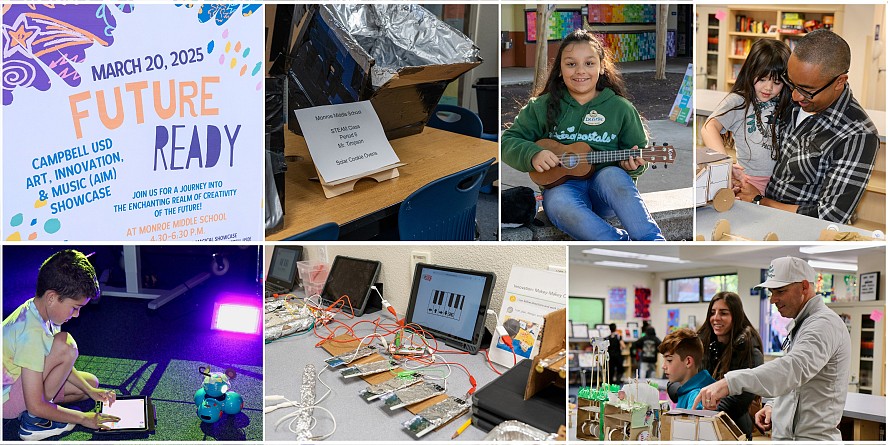
The Future of Digital Art and Music in 2025: Navigating the Creative Revolution
As we rapidly approach 2025, the landscape of digital art and music is undergoing a profound transformation, propelled by groundbreaking technological advancements. This comprehensive guide delves into the exciting, often disruptive, trends shaping the future of digital art and music in 2025, offering unparalleled insights for creators, enthusiasts, and investors alike. Discover how artificial intelligence, blockchain, the metaverse, and immersive technologies are not just influencing, but fundamentally redefining, creative expression and consumption. We’ll explore the rise of the new creator economy, the evolution of ownership, and the unprecedented opportunities for artists to connect with global audiences, making this a pivotal moment for anyone passionate about the digital aesthetic and sonic innovation.
The Dawn of Algorithmic Creativity: AI's Ascendance
Artificial Intelligence (AI) is no longer a futuristic concept; it's an integral component of the creative process, poised to reshape the future of digital art and music in 2025. From generating complex visual compositions to composing intricate musical scores, AI tools are empowering artists and musicians to explore new frontiers of expression. By 2025, expect AI to move beyond mere assistance, becoming a genuine collaborative partner in the creative workflow, offering unprecedented opportunities for innovation and personalization. This shift represents a paradigm change, moving from human-centric creation to a more symbiotic relationship between artist and algorithm.
AI-Powered Artistic Collaboration & Personalization
- Co-creation with AI: Artists will increasingly leverage AI as a brainstorming partner, generating initial concepts, iterating on designs, or even completing parts of a composition. Imagine an artist feeding an AI a mood or a theme, and receiving a series of visual or auditory sketches to build upon. This accelerates the creative process and opens doors to styles previously unattainable.
- Personalized Experiences: AI will enable highly personalized art and music consumption. Algorithms will not only recommend content but dynamically alter it based on user preferences, mood, or even biometric data. Think of a musical piece that subtly shifts its melody or rhythm in response to a listener's heart rate, creating a truly unique and immersive audio experience.
- Democratization of Creation: While professional tools will advance, user-friendly AI interfaces will allow individuals without traditional artistic training to create sophisticated digital art and music. This will broaden the base of creators, leading to an explosion of diverse content and fostering a more inclusive digital aesthetic.
- Challenges and Ethics: The rise of AI also brings critical discussions around originality, copyright, and the definition of authorship. By 2025, frameworks for ethical AI use in creative fields will be more robust, addressing concerns about deepfakes and the potential devaluation of human-made art.
Blockchain & NFTs: Redefining Ownership and Monetization
The revolutionary impact of blockchain technology, particularly through Non-Fungible Tokens (NFTs), on the future of digital art and music in 2025 cannot be overstated. While the initial hype around NFTs has settled, their underlying utility for verifiable ownership, provenance, and direct artist-to-fan monetization remains incredibly strong. By 2025, NFTs will evolve beyond speculative assets, becoming foundational tools for building sustainable careers in the creator economy, offering new models for royalties, fractional ownership, and community engagement.
The New Creator Economy and Decentralized Platforms
- Direct Artist-Fan Connections: Blockchain-powered platforms will facilitate direct transactions between artists and their audiences, cutting out intermediaries and allowing creators to retain a larger share of their earnings. This fosters a more equitable and transparent ecosystem for NFT music and digital artworks.
- Programmable Royalties: Smart contracts embedded in NFTs ensure that artists receive a percentage of every secondary sale of their work, creating perpetual income streams. This transforms the economic model for digital assets, providing long-term financial security for creators.
- Token-Gated Content and Experiences: NFTs will serve as access keys to exclusive content, communities, and real-world or metaverse events. Imagine owning an NFT that grants you backstage access to virtual concerts, participation in creative decision-making, or early access to new music releases. This enhances fan engagement and builds loyal communities around artists.
- Fractional Ownership and Collectibles: Large-scale or high-value digital artworks and music rights can be fractionalized into multiple NFTs, allowing more people to collectively own and invest in a piece. This democratizes investment in art and music, fostering a new class of digital patrons.
- Decentralized Music Distribution: New Web3 platforms are emerging that allow musicians to upload, distribute, and monetize their music directly on the blockchain, giving them unprecedented control over their intellectual property and revenue streams, bypassing traditional record labels and distributors.
Immersive Experiences: The Metaverse, VR/AR, and Spatial Audio
The way we consume and interact with digital art and music is set to become profoundly more immersive by 2025. The burgeoning metaverse, coupled with advancements in Virtual Reality (VR), Augmented Reality (AR), and spatial audio design, will transport audiences into hyper-realistic, interactive creative environments, revolutionizing live performances, art exhibitions, and everyday sonic experiences. This shift towards deeply engaging, multi-sensory experiences is a cornerstone of the future of digital art and music in 2025.
Virtual Concerts and Interactive Art Installations
- Metaverse Concerts and Festivals: Virtual worlds will host increasingly sophisticated and high-fidelity concerts, offering experiences that transcend physical limitations. Artists can perform simultaneously for millions globally, incorporating interactive elements, custom avatars, and dynamic stage designs that are impossible in the real world. These aren't just streams; they are fully interactive, shared social experiences.
- Augmented Reality Art Walks: AR apps will overlay digital artworks onto physical spaces, transforming cityscapes into open-air galleries or bringing interactive sculptures into your living room. Imagine pointing your phone at a building and seeing a generative art piece come alive on its facade, or listening to a custom soundtrack tailored to your location.
- Interactive Installations: Digital art will become truly interactive, responding to viewer presence, movement, or even biometric data. Art pieces in the metaverse might evolve based on collective audience input, fostering a sense of co-creation and shared experience.
- Sonic Branding and Experiential Marketing: Businesses will increasingly use unique sonic identities and interactive soundscapes within digital environments to enhance brand recognition and customer engagement, creating memorable immersive audio experiences.
Spatial Audio and Hyper-Realistic Soundscapes
Beyond traditional stereo, spatial audio technologies are maturing rapidly, promising to revolutionize how music is mixed, consumed, and experienced. By 2025, multi-dimensional sound will be standard, creating incredibly realistic and engaging soundscapes. This technology allows sounds to be placed anywhere in a 3D space around the listener, moving beyond simple left-right separation to provide depth, height, and precise positioning. This is critical for immersive experiences in VR/AR and the metaverse.
- Truly Immersive Music: Albums will be mixed for spatial audio, allowing listeners to feel as if they are inside the music, with instruments moving around them, creating a heightened sense of presence and emotional connection. This is particularly transformative for genres like ambient, electronic, and orchestral music.
- Dynamic Sound Environments: In metaverse experiences, spatial audio will make virtual worlds feel more real. The sound of a distant waterfall, a conversation behind you, or the rustle of leaves will be precisely positioned, enhancing realism and immersion.
- Accessibility and Inclusivity: Spatial audio can also improve accessibility, allowing for clearer differentiation of sounds in complex environments, which can benefit individuals with certain hearing impairments or cognitive differences.
The Blurring Lines: Interdisciplinary Art Forms
The future of digital art and music in 2025 is characterized by an increasing convergence of artistic disciplines. The traditional boundaries between visual art, music, gaming, literature, and performance are dissolving, giving rise to truly interdisciplinary creations. Artists will seamlessly integrate different mediums, creating holistic experiences that engage multiple senses and tell richer, more complex stories. This fusion is facilitated by advanced software, real-time rendering capabilities, and the inherent flexibility of digital platforms.
Live Algorithmic Art & Generative Music Performances
Expect to see more performances where art and music are generated in real-time by algorithms, often influenced by live inputs from performers or the audience. These are not static pieces but dynamic, evolving creations that are unique to each moment. This pushes the boundaries of live performance, creating truly ephemeral and unrepeatable artistic events. Consider a DJ set where the visuals are not pre-rendered but generated live by an AI interpreting the music's waveform, or a visual artist whose brushstrokes trigger melodic phrases.
- Interactive Storytelling: Digital art and music will increasingly be used to create interactive narratives, where the audience's choices influence the progression of a story, both visually and sonically. This transforms passive consumption into active participation.
- Gaming as an Art Form: Video games, already a powerful medium, will further evolve into sophisticated art forms, integrating high-fidelity generative music, stunning environmental art, and deep narrative structures that blur the line between entertainment and profound artistic experience.
- Hybrid Physical-Digital Exhibitions: Galleries and museums will host exhibitions that combine physical installations with AR overlays, projected digital art, and custom soundscapes, offering visitors a multi-layered sensory journey.
Navigating the New Landscape: Opportunities and Challenges
While the future of digital art and music in 2025 presents immense opportunities, it also brings challenges. The rapid pace of technological change requires adaptability, continuous learning, and a willingness to experiment. Creators must navigate issues of digital rights management, discoverability in an increasingly crowded market, and the ethical implications of advanced AI. However, for those prepared to embrace this evolution, the rewards are significant.
Actionable Tips for Artists and Musicians in 2025
- Embrace New Technologies: Don't shy away from AI tools, blockchain platforms, or immersive technologies. Experiment with them, understand their capabilities, and integrate them into your creative process. The early adopters will define the next wave of artistic innovation.
- Understand Web3 and the Creator Economy: Educate yourself on decentralized finance (DeFi), NFTs, and tokenomics. These are the building blocks of the new creator economy and crucial for direct monetization and community building. Consider tokenizing your work or launching fan tokens.
- Focus on Community Building: In a decentralized world, direct relationships with your audience are paramount. Engage with your fans on platforms like Discord, Twitter, and within metaverse spaces. Your community is your most valuable asset and a potential source of funding and support.
- Diversify Your Revenue Streams: Relying solely on traditional sales or streaming royalties will be insufficient. Explore multiple avenues: NFT sales, token-gated content, virtual concert tickets, digital merchandise, fractional ownership, and even licensing your AI models or creative data sets.
- Prioritize Interoperability: As the metaverse develops, ensuring your digital assets (art, music, avatars) are interoperable across different platforms will be key to maximizing their reach and value. Think about creating work that can exist in multiple virtual worlds.
- Continuous Learning and Adaptation: The digital landscape is constantly evolving. Stay updated on emerging technologies, new platforms, and changing audience behaviors. Participate in online courses, workshops, and industry discussions.
- Collaborate Across Disciplines: Seek out partnerships with artists from different fields – visual artists, developers, game designers, writers, and even AI engineers. Interdisciplinary collaboration will lead to groundbreaking new art forms.
Frequently Asked Questions
How will AI impact digital art and music creation by 2025?
By 2025, AI will transform from a mere tool into a significant collaborative partner for artists and musicians. It will assist in generating initial concepts, iterating on designs, and even co-composing musical pieces, dramatically speeding up workflows and opening new creative avenues. AI will also enable highly personalized art and music experiences, dynamically adapting content based on user preferences or real-time data, creating truly unique immersive audio experiences. However, ethical considerations regarding authorship and originality will become more prominent.
Are NFTs still relevant for artists and musicians in 2025?
Absolutely. While the speculative frenzy surrounding NFTs has subsided, their fundamental utility for verifiable digital ownership, provenance, and direct monetization remains highly relevant for the future of digital art and music in 2025. NFTs will evolve into powerful tools for building sustainable careers in the creator economy, enabling programmable royalties, token-gated access to exclusive content, and fostering stronger, more direct relationships between artists and their fans. They will be integral to the Web3 paradigm shift.
What role will the Metaverse play in experiencing art and music?
The Metaverse will be a primary platform for experiencing digital art and music by 2025, offering deeply immersive experiences. It will host high-fidelity virtual concerts and festivals where artists perform for global audiences with interactive elements and dynamic stage designs. Art will manifest as interactive installations that respond to viewer presence, and AR will overlay digital artworks onto physical spaces. Spatial audio will become standard, making virtual worlds and musical compositions feel incredibly realistic and multi-dimensional, enhancing sensory engagement and blurring the lines between physical and digital reality.
How can artists prepare for the future of digital creativity?
Artists should proactively embrace new technologies like AI, blockchain, and immersive platforms, experimenting with them to integrate into their creative process. Understanding Web3 and the new creator economy models, such as NFTs and tokenomics, is crucial for direct monetization and community building. Prioritizing direct engagement with their audience, diversifying revenue streams beyond traditional models, and focusing on continuous learning and interdisciplinary collaboration are also key strategies to thrive in the evolving digital landscape.
Will traditional art and music disappear due to digital advancements?
No, traditional art and music will not disappear; rather, they will evolve and coexist with digital forms. Digital advancements, particularly by 2025, will likely inspire and augment traditional practices. For instance, physical art might be enhanced with AR overlays, or traditional instruments might be used in conjunction with AI-generated sounds. The future is more about a convergence and expansion of creative possibilities, where artists have an even broader palette of tools and mediums at their disposal, leading to a richer and more diverse artistic ecosystem that celebrates both the analog and the digital aesthetic.

0 Komentar