
Unlocking the Future: Exploring Next Generation Network Slicing Capabilities
The digital landscape is evolving at an unprecedented pace, demanding networks that are not just faster, but also incredibly flexible, intelligent, and tailored to diverse needs. At the forefront of this transformation lies next generation network slicing capabilities – a paradigm shift from traditional, rigid network infrastructures to dynamic, programmable, and highly customizable virtual networks. This advanced approach to network partitioning is not merely an upgrade; it's a fundamental reimagining of how digital services are delivered, promising unprecedented levels of performance, security, and efficiency across various industries. Dive in to understand how these cutting-edge capabilities are poised to redefine connectivity and empower the hyper-connected future.
The Evolution to Next-Gen Network Slicing
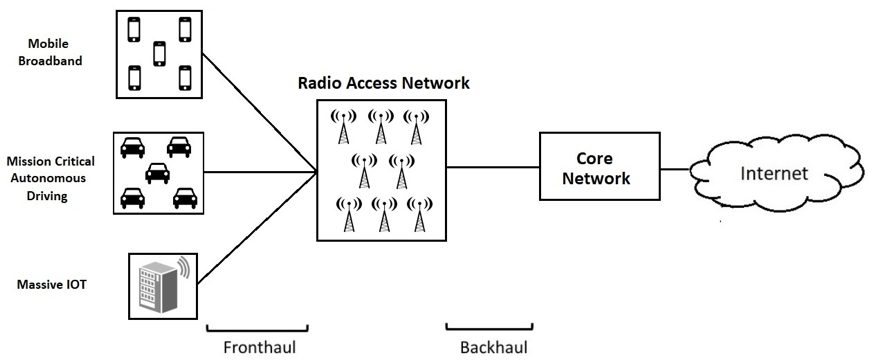
Network slicing, born with 5G, fundamentally allows a single physical network infrastructure to be divided into multiple virtual, isolated, and independent logical networks. Each "slice" is designed to cater to specific service requirements, ranging from ultra-low latency applications like autonomous vehicles to massive IoT deployments. However, early implementations often faced limitations in terms of true dynamism, automation, and end-to-end orchestration. Next generation network slicing transcends these limitations by integrating advanced technologies and principles, making slices more intelligent, self-managing, and truly on-demand.
The journey from basic network slicing to its next-gen iteration is marked by several critical advancements:
- Enhanced Automation & Orchestration: Moving beyond manual configurations, next-gen slicing leverages sophisticated automation frameworks and end-to-end orchestration systems. These systems can autonomously create, deploy, monitor, scale, and terminate network slices based on real-time demands and predefined service level agreements (SLAs).
- AI/ML Integration: Artificial Intelligence and Machine Learning are no longer just buzzwords; they are integral to optimizing network slices. AI/ML algorithms analyze vast amounts of network data to predict traffic patterns, identify potential bottlenecks, and proactively adjust slice parameters for optimal performance, resource utilization, and even self-healing capabilities.
- Granular Resource Isolation: While initial slicing offered isolation, next-gen capabilities provide deeper, more robust resource isolation across radio access network (RAN), transport network, and 5G Core. This ensures that the performance of one slice does not impact another, crucial for mission-critical applications.
- Dynamic Slice Lifecycle Management: The ability to dynamically manage the entire lifecycle of a slice – from design and instantiation to real-time modification and termination – is a hallmark of next-gen capabilities. This flexibility allows enterprises to provision network resources on the fly, responding instantly to changing business needs.
- Security by Design: Instead of being an afterthought, security is architected into each slice from its inception. This includes robust authentication, authorization, encryption, and intrusion detection mechanisms tailored to the specific security requirements of each slice and its associated applications.
Key Pillars of Advanced Network Slicing
To truly understand the power of next generation network slicing capabilities, it's essential to delve into the foundational technologies and concepts that underpin them. These pillars collectively enable the creation of highly efficient, secure, and adaptable networks.
Cloud-Native Architecture and 5G Core
The shift to a cloud-native 5G network architecture is paramount. This involves deploying network functions as microservices within containers, orchestrated by platforms like Kubernetes. This architecture provides unparalleled agility, scalability, and resilience. The 5G Core network, built on these principles, inherently supports the dynamic instantiation and management of network slices, allowing for flexible routing and resource allocation.
Software-Defined Networking (SDN) and Network Function Virtualization (NFV)
These two technologies are the bedrock of programmable networks. Software-Defined Networking (SDN) separates the control plane from the data plane, enabling centralized management and programming of network behavior. Network Function Virtualization (NFV) virtualizes network services, allowing them to run on standard commercial off-the-shelf (COTS) hardware, rather than proprietary appliances. Together, SDN and NFV provide the necessary abstraction and flexibility to carve out and manage independent network slices with distinct characteristics.
Edge Computing Integration
For applications demanding ultra-low latency and high bandwidth, such as industrial automation or augmented reality, integrating edge computing with network slicing is transformative. By placing computational resources closer to the data source, processing occurs at the network edge, minimizing round-trip times. Next-gen slicing allows for the creation of specific slices that extend all the way to the edge, guaranteeing performance for localized applications.
Zero-Touch Provisioning and Orchestration
The ultimate goal of next-gen slicing is to achieve zero-touch provisioning and operation. This means that slices can be requested, deployed, monitored, and optimized with minimal or no human intervention. Advanced orchestration platforms, often powered by AI, automate complex workflows, ensuring that slices meet their defined SLAs without manual configuration errors or delays. This greatly reduces operational costs and accelerates time-to-market for new services.
Transformative Use Cases and Applications
The real power of next generation network slicing capabilities lies in their ability to enable a vast array of new services and revolutionize existing industries. By tailoring network characteristics to specific application needs, businesses can unlock unprecedented efficiencies and create innovative new revenue streams.
Industrial IoT and Smart Manufacturing
For smart factories, network slices can guarantee ultra-reliable low-latency communication (URLLC) for critical applications like robotic control, automated guided vehicles (AGVs), and real-time sensor data analytics. A dedicated slice ensures that even during peak network traffic, mission-critical operations remain unaffected, boosting productivity and safety. Imagine a slice for predictive maintenance, providing guaranteed bandwidth for high-definition video streams from machinery, while another slice handles massive amounts of sensor data from thousands of devices.
Autonomous Vehicles and Smart Transportation
Self-driving cars require incredibly reliable and low-latency communication for vehicle-to-everything (V2X) interactions. A dedicated network slice can provide the necessary QoS (Quality of Service) and security to ensure real-time data exchange between vehicles, infrastructure, and cloud platforms, crucial for safety and navigation. This isolated slice would prioritize critical safety messages over infotainment traffic, for example.
Enhanced Mobile Broadband (eMBB) for Media & Entertainment
Broadcasters and media companies can leverage slices for high-definition live streaming, virtual reality (VR), and augmented reality (AR) experiences. A slice optimized for eMBB can provide guaranteed high bandwidth and consistent performance, ensuring seamless, immersive content delivery even in crowded venues like stadiums or concert halls.
Critical Communications and Public Safety
First responders and public safety agencies can benefit from dedicated, highly secure, and resilient network slices. These slices can prioritize emergency communications, ensuring connectivity for voice, video, and data even during disaster scenarios or network congestion, providing essential support for public safety operations.
Private Networks for Enterprises
Many enterprises are now deploying their own private networks using 5G technology. Network slicing allows these private networks to be further segmented, creating dedicated slices for different departments or applications within the enterprise, each with its own specific security, latency, and bandwidth requirements. For instance, a hospital could have one slice for patient monitoring, another for administrative tasks, and a third for guest Wi-Fi, all isolated and managed independently.
Challenges and Solutions in Implementing Next-Gen Slicing
While the promise of next generation network slicing capabilities is immense, their full realization comes with a set of challenges that require strategic planning and innovative solutions.
Interoperability and Standardization
Ensuring seamless interoperability across different vendor equipment and network domains (RAN, transport, core) is critical. Standardization efforts by bodies like 3GPP and ETSI are crucial for developing common frameworks and interfaces for slice management and orchestration. Operators and enterprises must prioritize solutions that adhere to these open standards to avoid vendor lock-in and ensure future compatibility.
Security and Isolation Guarantees
While slicing offers inherent isolation, ensuring robust security across all layers of the network and preventing side-channel attacks between slices is paramount. Implementing zero-trust architectures, comprehensive encryption, and continuous monitoring are essential. Each slice must be treated as a distinct security domain with its own policies and access controls.
Monetization Models
Developing viable business and monetization models for network slicing is a key challenge for service providers. This involves defining clear pricing strategies based on QoS, slice characteristics (latency, bandwidth, security), and duration. Flexible billing systems that can accurately meter and charge for slice usage are necessary.
Operational Complexity
Managing a multitude of dynamic network slices, each with unique requirements, can introduce significant operational complexity. This necessitates highly automated orchestration platforms, robust fault management systems, and skilled personnel capable of managing these advanced networks. Investment in AI-driven tools for network assurance and slice lifecycle management is crucial.
Actionable Tips for Leveraging Next-Gen Slicing
For enterprises and service providers looking to harness the power of next generation network slicing capabilities, a strategic approach is essential. Here are some practical tips:
- Define Clear Use Cases: Before investing, clearly identify the specific applications and business needs that would benefit most from dedicated network slices. Prioritize use cases where guaranteed QoS, enhanced security, or ultra-low latency are critical.
- Embrace Cloud-Native Principles: Architect your network infrastructure using cloud-native principles, leveraging containers, microservices, and orchestration platforms. This provides the agility and scalability needed for dynamic slicing.
- Invest in Automation and Orchestration: Focus on robust, end-to-end orchestration platforms that can automate the entire slice lifecycle management. Look for solutions with AI/ML capabilities for predictive analytics and self-optimization.
- Prioritize Security from Design: Integrate security considerations into the design of each network slice. Implement strong authentication, encryption, and isolation mechanisms tailored to the slice's specific requirements.
- Collaborate with Ecosystem Partners: Work closely with network equipment vendors, software providers, and system integrators to build a comprehensive solution. Participate in industry forums to stay abreast of standardization efforts.
- Start Small, Scale Gradually: Begin with pilot projects for specific, high-value use cases. Gather insights, refine your approach, and then gradually scale your slicing capabilities across your operations.
Frequently Asked Questions
What is the core difference between basic network slicing and next generation network slicing capabilities?
The core difference lies in the level of dynamism, automation, and intelligence. While basic slicing provides static, pre-configured virtual networks, next generation network slicing capabilities enable highly dynamic, on-demand creation and modification of slices. They leverage advanced automation, AI/ML, and deeper integration with edge computing and cloud-native architectures to offer true end-to-end orchestration, self-healing, and performance guarantees that were not possible with earlier iterations. It's a move from fixed partitioning to highly programmable, intelligent network segments.
How do next-gen network slicing capabilities enhance security?
Next-gen network slicing enhances security by providing inherent isolation and allowing security to be built into each slice from the ground up. Each slice can have its own customized security policies, encryption protocols, and access controls, tailored to the specific applications it supports. This means a breach in one slice is less likely to affect others. Furthermore, the ability to dynamically reconfigure and isolate compromised slices quickly improves overall network resilience. This granular control and isolation minimize the attack surface and enhance data protection for sensitive applications, crucial for industries requiring strict compliance.
Can next generation network slicing be applied to existing 4G networks?
While the full potential of next generation network slicing capabilities is realized with 5G Standalone (SA) architecture, which is built on a cloud-native 5G Core, some elements of network slicing can be simulated or partially implemented in existing 4G networks using technologies like SDN/NFV. However, true end-to-end, dynamic slicing with robust isolation across RAN, transport, and core is primarily a 5G SA capability. Enterprises looking for comprehensive slicing benefits typically need to consider a 5G private network or collaborate with a service provider deploying 5G SA.
What role does AI/ML play in next-gen network slicing?
AI and Machine Learning play a pivotal role in transforming network slicing from a static configuration to a truly intelligent and adaptive system. AI/ML algorithms are used for:
- Predictive Analytics: Forecasting traffic demands and resource needs to proactively optimize slice performance.
- Automated Optimization: Real-time adjustment of slice parameters (e.g., bandwidth, latency) based on changing conditions and SLAs.
- Anomaly Detection: Identifying unusual patterns that could indicate performance degradation or security threats within a slice.
- Self-Healing: Automating fault detection and recovery processes, ensuring slice resilience and minimizing downtime.
- Resource Allocation: Dynamically allocating network resources across slices for maximum efficiency and guaranteed QoS.

0 Komentar