
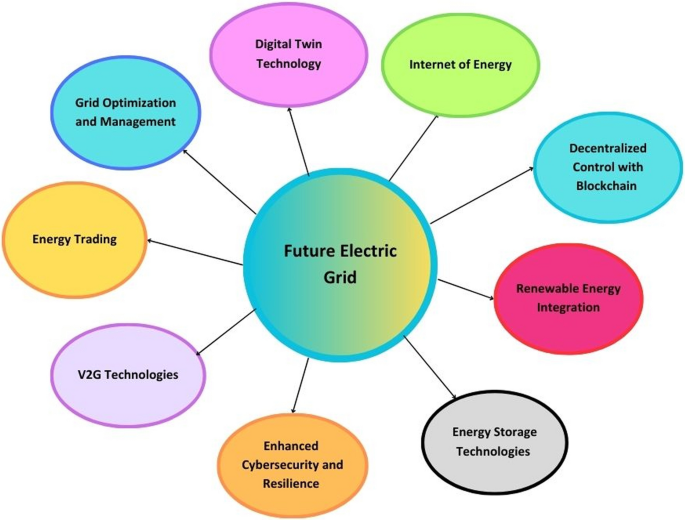
The Future of AI-Powered Sustainable Energy Systems and Smart Grid Infrastructure Management 2025
The dawn of 2025 marks a pivotal moment for global energy landscapes, as artificial intelligence (AI) increasingly becomes the cornerstone of sustainable energy systems and advanced smart grid infrastructure management. This comprehensive guide delves into how AI-powered solutions are not merely enhancing but fundamentally transforming how we generate, distribute, and consume energy, paving the way for a more resilient, efficient, and environmentally friendly future. Discover the critical role of intelligent algorithms in optimizing everything from renewable energy integration to predictive maintenance, ensuring grid stability and fostering a truly sustainable energy ecosystem. This is more than just technological advancement; it's a strategic imperative for global decarbonization and energy security.
The AI Imperative in Energy Transition: Driving Sustainability
The global shift towards sustainable energy sources presents unprecedented challenges, from intermittency of renewables to the complexity of managing a decentralized grid. AI emerges as the indispensable catalyst, providing the computational power and analytical capabilities required to navigate these complexities. By 2025, AI will be deeply embedded across the energy value chain, from generation forecasting to consumer demand response, accelerating the transition to a net-zero future. The ability of AI to process vast datasets in real-time is revolutionizing energy management systems, leading to smarter decisions and significant operational efficiencies.
Enhancing Renewable Energy Integration
Integrating a growing share of intermittent renewable energy sources like solar and wind into existing grids is a monumental task. AI, particularly through machine learning and deep learning, offers robust solutions for this challenge. Predictive analytics driven by AI can forecast renewable energy output with remarkable accuracy, considering factors like weather patterns, historical data, and atmospheric conditions. This precision enables grid operators to better anticipate fluctuations and balance supply with demand, significantly reducing reliance on fossil fuel "peaker" plants.
- Accurate Forecasting: AI models analyze meteorological data, satellite imagery, and sensor readings to predict solar irradiance and wind speeds, optimizing generation schedules for solar farms and wind power plants. This is crucial for seamless renewable energy integration.
- Optimized Energy Storage Solutions: AI algorithms manage battery energy storage systems (BESS) by learning optimal charge/discharge cycles based on predicted generation, demand, and market prices. This intelligent orchestration maximizes the value of stored energy and enhances grid stability.
- Dynamic Curtailment Management: Instead of blindly curtailing excess renewable energy, AI can identify opportunities for dynamic curtailment, directing surplus power to storage, electric vehicle charging, or other flexible loads, thus minimizing waste and maximizing utilization.
Optimizing Grid Operations and Stability
A smart grid is only as smart as its underlying intelligence. AI is transforming traditional grid operations into highly responsive, self-healing networks. The goal is not just to deliver power but to deliver it reliably, efficiently, and securely, even as the grid becomes more distributed and dynamic. This is where grid modernization truly takes shape, driven by AI's analytical prowess.
- Predictive Maintenance: AI analyzes data from sensors on transformers, power lines, and other infrastructure to predict equipment failures before they occur. This allows for proactive maintenance, preventing costly outages and improving grid reliability. This proactive approach significantly reduces downtime and operational costs.
- Real-time Load Balancing: Intelligent algorithms continuously monitor energy flow and demand across the grid, automatically adjusting power distribution to prevent overloads and ensure stable voltage levels. This includes dynamic control over distributed energy resources (DERs).
- Fault Detection and Self-Healing: AI-powered systems can rapidly identify the location of faults within the grid and automatically re-route power around the affected area, minimizing the impact of outages and accelerating restoration times. This enhances grid resilience significantly.
Smart Grid Infrastructure Management in 2025: A Deep Dive
By 2025, smart grid infrastructure will be synonymous with AI-driven management. The sheer volume of data generated by millions of connected devices – from smart meters to distributed generation units – necessitates AI for meaningful analysis and actionable insights. This advanced infrastructure will be the backbone of future sustainable energy systems.
Predictive Analytics for Demand-Side Management
Traditionally, energy providers have struggled to match supply with fluctuating demand. AI flips this paradigm by enabling sophisticated demand-side management. Utilities can leverage AI to predict consumer behavior, forecast peak demand periods, and even influence consumption patterns through dynamic pricing and automated home energy management systems.
- Consumer Behavior Prediction: AI analyzes historical consumption data, weather forecasts, social events, and even local news to predict energy demand at granular levels (e.g., household, neighborhood). This informs strategies for load shifting.
- Automated Demand Response: Smart appliances and industrial systems, integrated with AI platforms, can automatically adjust their energy consumption during peak periods in response to grid signals, reducing strain on the network and lowering costs for consumers. This directly contributes to greater energy efficiency.
- Personalized Energy Management: AI-powered platforms offer consumers personalized insights into their energy usage, recommending ways to save energy and optimize their consumption based on their habits and tariff structures.
Real-time Monitoring and Anomaly Detection
The vast network of sensors and IoT devices within a smart grid generates an enormous stream of data. AI is indispensable for processing this deluge, identifying anomalies, and triggering immediate responses. This real-time visibility is critical for maintaining grid health and security.
- Comprehensive Sensor Integration: AI platforms ingest data from smart meters, voltage sensors, temperature sensors, and power quality monitors across the grid.
- Pattern Recognition: Intelligent algorithms constantly learn normal operational patterns. Any deviation from these patterns, no matter how subtle, is flagged as a potential anomaly – be it equipment malfunction, unauthorized access, or unusual demand spikes.
- Automated Alerting and Response: Upon detecting an anomaly, AI systems can instantly alert operators, initiate diagnostic procedures, or even trigger automated corrective actions, preventing minor issues from escalating into major disruptions.
Cybersecurity and Resilience in AI-Powered Grids
As smart grids become more interconnected and reliant on digital technologies, the surface area for cyber threats expands exponentially. AI is not just a tool for grid optimization but also a crucial line of defense against sophisticated cyberattacks. Protecting critical infrastructure is paramount.
- Threat Detection and Prevention: AI-driven security systems analyze network traffic and system logs for suspicious patterns indicative of cyberattacks, such as malware infiltration, denial-of-service attempts, or data exfiltration. They can identify novel threats that signature-based systems might miss.
- Adaptive Defense Mechanisms: AI enables security systems to learn from new attack vectors and adapt their defenses in real-time, creating a more resilient and proactive security posture. This includes leveraging edge computing for localized threat analysis and rapid response.
- Resilient System Design: AI helps design grid architectures that are inherently more resilient, with redundancies and distributed control mechanisms that can isolate compromised sections and maintain operations in the event of a breach.
Key Pillars of AI-Powered Sustainable Energy Systems
Beyond operational enhancements, AI is enabling entirely new paradigms for energy generation, distribution, and consumption, pushing the boundaries of what's possible in the pursuit of sustainability. These pillars represent the fundamental shifts driven by AI in the energy sector.
Decentralized Energy Management and Microgrids
The future of energy is increasingly decentralized, with a proliferation of distributed energy resources (DERs) like rooftop solar, community batteries, and electric vehicles. AI is essential for orchestrating these complex, localized energy ecosystems, enabling the rise of highly efficient and resilient microgrids. This shift towards decentralized energy empowers local communities.
- Microgrid Optimization: AI manages the generation, storage, and consumption of energy within a microgrid, ensuring energy independence and resilience, especially during main grid outages.
- Peer-to-Peer Energy Trading: AI platforms facilitate transparent and efficient energy trading between prosumers (producers + consumers) within a local community, creating new economic models for energy exchange.
- Virtual Power Plants (VPPs): AI aggregates and dispatches numerous distributed energy resources as if they were a single large power plant, providing services to the main grid and enhancing overall flexibility.
Carbon Footprint Reduction and Efficiency Gains
The ultimate goal of sustainable energy systems is to minimize environmental impact. AI contributes directly to this by optimizing energy usage, reducing waste, and facilitating the integration of low-carbon technologies. Every kilowatt-hour saved or generated from a clean source contributes to a smaller carbon footprint reduction.
- Building Energy Management: AI optimizes HVAC, lighting, and other systems in commercial and residential buildings based on occupancy, weather, and real-time energy prices, leading to significant energy savings.
- Industrial Process Optimization: AI identifies inefficiencies in industrial operations, recommending adjustments to machinery and processes to reduce energy consumption without compromising productivity.
- Resource Allocation for Green Projects: AI can analyze vast datasets to identify optimal locations for new renewable energy installations, considering factors like land use, environmental impact, and grid connection feasibility.
AI-Driven Energy Trading and Market Optimization
Energy markets are becoming increasingly complex with the influx of renewables and distributed resources. AI provides the tools to navigate this complexity, enabling more efficient trading, price discovery, and market stability. From wholesale markets to local energy exchanges, AI is fostering greater transparency and dynamism.
- Algorithmic Trading: AI-powered algorithms execute energy trades based on predictive models of supply, demand, and price fluctuations, maximizing profitability for generators and minimizing costs for consumers.
- Market Forecasting: AI provides highly accurate forecasts of energy prices and market liquidity, helping participants make informed decisions.
- Regulatory Compliance: AI assists in ensuring compliance with complex energy market regulations by monitoring transactions and identifying potential violations.
Implementing AI in Energy: Actionable Strategies for 2025 and Beyond
For organizations looking to capitalize on the transformative potential of AI in sustainable energy, a strategic approach is essential. It's not just about adopting technology; it's about fostering a culture of innovation and data-driven decision-making. Here are practical steps for utilities, energy companies, and policymakers.
Data Infrastructure and AI Model Development
The foundation of any successful AI initiative is robust data. Energy companies must invest in comprehensive data collection, storage, and processing capabilities. This includes deploying advanced sensors, smart meters, and secure communication networks.
- Unified Data Platforms: Establish centralized data lakes and data warehouses to aggregate diverse datasets from operational technology (OT) and information technology (IT) systems.
- Data Governance and Quality: Implement strict data governance policies to ensure data accuracy, consistency, and security. High-quality data is paramount for effective AI models.
- AI Model Training and Validation: Develop in-house expertise or partner with AI specialists to build, train, and validate machine learning models tailored to specific energy challenges, from load forecasting to fault detection. Consider leveraging cloud-based AI platforms for scalability.
Collaborative Ecosystems and Policy Frameworks
The complexity of modern energy systems demands collaboration. No single entity can drive the AI transformation alone. Public-private partnerships, cross-industry alliances, and supportive regulatory environments are crucial for accelerating adoption and innovation.
- Interoperability Standards: Advocate for and adopt open standards for data exchange and system interoperability, enabling seamless integration of diverse AI solutions and devices.
- Pilot Programs and Sandboxes: Support pilot projects and regulatory sandboxes that allow for the testing and refinement of new AI-powered energy solutions in a controlled environment.
- Incentives for AI Adoption: Governments and regulatory bodies should introduce incentives, grants, and favorable policies to encourage investment in AI research, development, and deployment within the energy sector.
Overcoming Challenges: Data Privacy and Skill Gaps
While the benefits are immense, the road to AI-powered sustainable energy is not without hurdles. Addressing concerns around data privacy, cybersecurity, and the availability of skilled talent is critical for widespread adoption and public trust.
- Robust Cybersecurity Measures: Implement multi-layered cybersecurity protocols, including AI-driven threat detection, encryption, and regular vulnerability assessments, to protect sensitive energy data and critical infrastructure.
- Data Privacy by Design: Integrate privacy principles into the design of AI systems from the outset, ensuring compliance with regulations like GDPR and CCPA, and building consumer trust through transparent data handling.
- Workforce Development: Invest in training and upskilling programs for the existing energy workforce to develop AI literacy and specialized skills in data science, machine learning engineering, and cybersecurity relevant to the energy domain. Foster collaboration with academic institutions.
Frequently Asked Questions
What is the primary role of AI in sustainable energy systems by 2025?
By 2025, the primary role of AI in sustainable energy systems is to act as the central intelligence orchestrating complex, dynamic energy networks. This includes optimizing the integration of intermittent renewable sources, enhancing grid stability through predictive maintenance and real-time load balancing, and enabling efficient demand-side management. AI ensures that energy is generated, distributed, and consumed with maximum efficiency and minimal environmental impact, fundamentally transforming energy management for a greener future.
How does AI improve grid infrastructure management?
AI significantly improves grid infrastructure management by enabling predictive maintenance, real-time monitoring, and automated anomaly detection. It analyzes vast datasets from IoT devices across the grid to forecast equipment failures, optimize energy flow, and rapidly identify and respond to faults. This proactive approach minimizes outages, extends asset lifespans, and enhances the overall resilience and reliability of the smart grid infrastructure.
Can AI help reduce carbon emissions in the energy sector?
Absolutely. AI plays a crucial role in reducing carbon emissions by optimizing energy consumption in buildings and industries, facilitating the higher integration of renewable energy sources, and enabling more efficient energy storage solutions. By minimizing waste and improving the utilization of clean energy, AI directly contributes to a substantial carbon footprint reduction across the entire energy value chain, accelerating the transition away from fossil fuels.
What are the key challenges in implementing AI for smart grids?
Implementing AI for smart grids presents several challenges, including ensuring robust cybersecurity against sophisticated threats, addressing data privacy concerns related to extensive data collection, and bridging the significant skill gap in AI and data science within the energy workforce. Additionally, achieving interoperability between diverse legacy systems and new AI technologies, along with developing supportive regulatory frameworks, remains a critical hurdle for widespread adoption.

0 Komentar