
Revolutionizing Smart Healthcare: The Indispensable Role of IoT Platforms
In an era where digital transformation is reshaping every industry, healthcare stands on the precipice of a monumental shift, largely driven by the Internet of Things (IoT). For organizations aiming to build robust, scalable, and secure IoT solutions for smart healthcare, the choice of an appropriate IoT platform is not merely a technical decision but a strategic imperative. These platforms serve as the foundational backbone, enabling seamless device connectivity, efficient data management, and insightful analytics crucial for delivering enhanced patient care, optimizing operational workflows, and fostering a truly connected health ecosystem. This comprehensive guide delves into why these platforms are indispensable, their core functionalities, and how they empower the next generation of healthcare innovations.
The Transformative Power of IoT in Healthcare
The convergence of medical devices, sensors, and connectivity has opened unprecedented avenues for improving healthcare delivery. From continuous remote patient monitoring to intelligent hospital management, IoT is redefining traditional care models. Imagine a world where chronic conditions are managed proactively, emergency responses are instantaneous, and personalized care plans are dynamically adjusted based on real-time physiological data. This vision is not futuristic; it's being realized today, and IoT platforms are the unsung heroes making it possible.
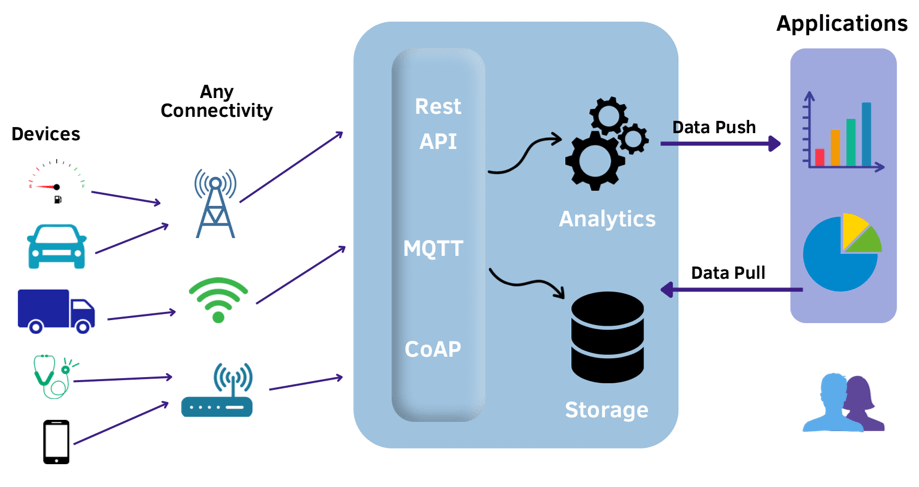
Without a centralized platform, managing hundreds or thousands of diverse IoT devices, processing vast streams of health data analytics, and ensuring secure communication becomes an insurmountable challenge. IoT platforms abstract this complexity, providing the tools and infrastructure necessary to develop, deploy, and manage IoT applications at scale. They are the orchestrators of a complex symphony of sensors, actuators, and cloud services, ensuring that critical data flows smoothly from the point of care to the clinicians who need it most.
Key Components and Features of a Robust IoT Platform for Healthcare
A leading IoT platform for healthcare must offer a comprehensive suite of features tailored to the unique demands of the medical sector. These functionalities ensure reliability, security, and scalability:
- Device Connectivity & Management: The ability to seamlessly onboard, provision, monitor, and manage a multitude of wearable devices, medical sensors, and other IoT endpoints, regardless of their communication protocols (e.g., Bluetooth, Wi-Fi, LoRaWAN, cellular). This includes over-the-air (OTA) updates and remote troubleshooting.
- Data Ingestion & Processing: A robust mechanism to collect, filter, and process massive volumes of heterogeneous data from various sources in real-time. This is critical for immediate alerts and real-time insights.
- Security & Compliance: Paramount for healthcare. The platform must incorporate multi-layered security protocols (encryption, access control, authentication) and adhere strictly to global and regional regulatory compliance standards like HIPAA (for patient data privacy in the US), GDPR (in Europe), and ISO 27001.
- Application Enablement: Tools, APIs, and SDKs that allow developers to quickly build and integrate custom smart healthcare solutions and applications on top of the platform, accelerating development cycles.
- Analytics & Visualization: Powerful capabilities for performing health data analytics, including machine learning and AI algorithms, to derive actionable insights from raw data. Intuitive dashboards and reporting tools are essential for clinicians and administrators.
- Interoperability & Integration: The capacity to integrate with existing healthcare IT systems such as Electronic Health Records (EHR), Electronic Medical Records (EMR), hospital information systems (HIS), and third-party applications. True interoperability is key to a cohesive digital health ecosystem.
- Scalability & Reliability: The platform must be able to scale horizontally to accommodate a growing number of devices and data volumes without compromising performance or uptime, ensuring continuous care delivery.
Benefits of Leveraging IoT Platforms in Smart Healthcare
The strategic adoption of IoT platforms unlocks a myriad of benefits, transforming patient care and operational efficiency:
- Enhanced Patient Outcomes & Engagement: Continuous monitoring enables proactive interventions, leading to better management of chronic diseases and reduced hospital readmissions. Patients feel more involved in their own care through access to their data and personalized insights, fostering greater patient engagement.
- Operational Efficiency & Cost Reduction: Automating routine tasks, optimizing asset utilization (e.g., tracking medical equipment), and streamlining workflows can significantly reduce operational costs and improve resource allocation within hospitals and clinics.
- Proactive Care & Early Intervention: With real-time insights from predictive analytics, healthcare providers can identify deteriorating patient conditions earlier, allowing for timely interventions that can prevent serious complications.
- Improved Remote Patient Monitoring & Chronic Disease Management: Platforms facilitate the collection of vital signs, glucose levels, heart rates, and more from patients at home, enabling clinicians to monitor conditions remotely and adjust treatment plans as needed, dramatically improving quality of life for those with chronic illnesses.
- Streamlined Clinical Workflows: From automated medication dispensing to smart ward management, IoT platforms can reduce manual errors, free up nursing staff for direct patient interaction, and enhance overall clinical efficiency.
- Data-Driven Decision Making: Aggregated and analyzed data provides unprecedented visibility into patient populations, disease trends, and operational bottlenecks, empowering healthcare organizations to make informed, evidence-based decisions.
Use Cases: Where IoT Platforms Shine in Healthcare
The practical applications of IoT platforms in healthcare are vast and growing:
- Remote Patient Monitoring (RPM): This is perhaps the most prominent use case. Platforms connect wearable devices and home medical equipment (blood pressure cuffs, glucometers, ECG monitors) to healthcare providers. They collect data, trigger alerts for abnormalities, and enable virtual consultations via telehealth services.
- Asset Tracking & Management: Hospitals are complex environments with thousands of high-value assets. IoT platforms, integrated with RFID or Bluetooth Low Energy (BLE) tags, can track the location and status of equipment (e.g., wheelchairs, IV pumps, surgical instruments), reducing loss, improving utilization, and ensuring availability.
- Smart Hospitals & Facilities Management: Optimizing energy consumption, managing climate control, monitoring air quality, and ensuring the proper functioning of critical infrastructure within healthcare facilities. This enhances patient comfort and operational safety.
- Medication Adherence Monitoring: Smart pill dispensers and connected packaging can remind patients to take their medication and notify caregivers or clinicians if doses are missed, improving treatment efficacy.
- Elderly Care & Assisted Living: Sensors can monitor the activity levels, falls, and daily routines of elderly individuals living independently or in assisted living facilities, providing peace of mind to families and caregivers.
- Clinical Trials & Research: IoT platforms can streamline data collection from participants in clinical trials, providing continuous, objective data that enhances the accuracy and efficiency of research, accelerating drug development.
Choosing the Right IoT Platform for Your Healthcare Needs
Selecting the optimal IoT platform is a critical decision that will impact the success and longevity of your smart healthcare solution development. Consider the following factors:
- Security & Compliance Frameworks: This cannot be overstated. Verify the platform's adherence to HIPAA, GDPR, FDA regulations, and other relevant healthcare standards. Look for robust encryption, access control, and auditing capabilities.
- Scalability & Flexibility: Ensure the platform can handle your current needs and future growth, supporting a diverse range of devices and data volumes without performance degradation.
- Interoperability & Integration Capabilities: How easily can it integrate with your existing EHR/EMR systems, legacy infrastructure, and other third-party healthcare applications? Open APIs and support for industry standards are crucial.
- Data Analytics & AI/ML Capabilities: Does the platform offer advanced analytics, machine learning, and AI tools to transform raw data into actionable predictive analytics and real-time insights?
- Cost-Effectiveness & Total Cost of Ownership (TCO): Beyond initial licensing, consider ongoing maintenance, support, development costs, and potential vendor lock-in.
- Vendor Support & Ecosystem: Evaluate the vendor's reputation, technical support, documentation, and the availability of a developer community or marketplace for extensions.
- Customization & Extensibility: Can the platform be tailored to your specific use cases and integrate unique business logic without extensive custom coding?
Engaging with expert consultants who understand both IoT and the healthcare landscape can be invaluable in navigating this complex selection process. It's an investment that pays dividends in future-proofing your digital transformation efforts.
Challenges and Considerations for Implementation
While the promise of IoT in healthcare is immense, successful implementation comes with its own set of challenges that need careful navigation:
- Data Security & Privacy: Protecting sensitive patient information (PHI) from breaches is paramount. Implementing robust encryption, access controls, and regular security audits is non-negotiable.
- Regulatory Compliance: Adhering to the myriad of healthcare regulations globally (HIPAA, GDPR, FDA, etc.) is complex and requires continuous vigilance. Platforms must offer features that aid in meeting these requirements.
- Interoperability with Legacy Systems: Many healthcare organizations operate with outdated IT infrastructure. Integrating new IoT solutions with these legacy systems can be a significant hurdle, requiring careful planning and potentially custom integration layers.
- Data Overload & Analytics Complexity: The sheer volume of data generated by IoT devices can be overwhelming. Extracting meaningful insights requires sophisticated health data analytics capabilities and skilled data scientists.
- Change Management & Adoption: Introducing new technologies requires training healthcare professionals and ensuring their buy-in. Resistance to change can hinder adoption and impact the success of IoT initiatives.
- Cost of Implementation & Maintenance: While IoT promises long-term savings, initial setup costs, ongoing maintenance, and potential subscription fees for platforms can be substantial. A clear ROI projection is essential.
Future Trends: The Evolution of IoT Platforms in Healthcare
The landscape of IoT platforms for smart healthcare is continuously evolving, driven by technological advancements and changing healthcare needs:
- AI-Powered Predictive Analytics: The integration of advanced AI and machine learning will move beyond descriptive analytics to truly predictive models, anticipating health events before they occur and offering proactive interventions. This will revolutionize disease management and personalized medicine.
- Edge Computing for Faster Insights: Processing data closer to the source (at the "edge" of the network) will reduce latency, enabling even faster real-time insights and critical decision-making, especially vital in emergency care or continuous monitoring scenarios.
- Blockchain for Enhanced Data Security and Provenance: Distributed ledger technology could provide an immutable, transparent, and highly secure method for managing patient data, ensuring data integrity and combating fraud, further strengthening data security.
- Hyper-Personalization of Care: As more data points are collected and analyzed, IoT platforms will enable increasingly tailored care plans, medication dosages, and lifestyle recommendations, moving towards truly individualized healthcare.
- Digital Twins in Healthcare: Creating virtual replicas of patients, organs, or even entire hospitals, powered by IoT data, will allow for simulations, predictive maintenance of equipment, and optimized operational planning.
The journey towards a fully digitized and interconnected healthcare system is ongoing, and IoT platforms are the engine driving this profound digital transformation. By embracing these powerful tools, healthcare providers can unlock new efficiencies, deliver superior patient experiences, and pave the way for a healthier future.
Frequently Asked Questions
What are the key features of an IoT platform for smart healthcare?
A robust IoT platform for smart healthcare typically offers comprehensive features including secure device connectivity and management for a wide array of medical devices and wearable devices, real-time data ingestion and processing, strong adherence to regulatory compliance standards like HIPAA and GDPR, advanced analytics capabilities for health data analytics and predictive analytics, seamless application enablement with APIs, and critical interoperability with existing EHR/EMR systems. It must also prioritize data security through encryption and access controls, and be highly scalable to support growing patient populations and data volumes.
How do IoT platforms ensure data security and compliance in healthcare?
Ensuring data security and regulatory compliance is paramount for IoT platforms in healthcare. They achieve this through multi-layered security measures such as end-to-end data encryption (in transit and at rest), robust authentication and authorization protocols, granular access control mechanisms, regular security audits and vulnerability assessments, and comprehensive audit trails for data access and modification. Furthermore, these platforms are designed to comply with specific healthcare regulations like HIPAA (for Protected Health Information), GDPR (for personal data in Europe), and often include features to facilitate compliance with FDA guidelines for medical devices, ensuring patient privacy and data integrity.
What are the benefits of using IoT platforms for remote patient monitoring?
Using IoT platforms for remote patient monitoring (RPM) offers numerous benefits. Firstly, it enables continuous, real-time collection of vital patient data (e.g., blood pressure, glucose levels, heart rate) from the comfort of the patient's home using wearable devices and connected medical equipment. This constant stream of data allows healthcare providers to monitor chronic conditions more effectively, intervene proactively when abnormalities are detected, and reduce the need for frequent in-person clinic visits. It significantly improves patient engagement, enhances patient outcomes by preventing complications, reduces hospital readmissions, and makes healthcare more accessible, especially for elderly or geographically isolated patients, contributing to a more efficient and patient-centric telehealth ecosystem.
What challenges might arise when implementing IoT solutions in healthcare?
Implementing IoT solutions in healthcare, even with the support of a dedicated platform, presents several challenges. Chief among these are maintaining stringent data security and patient privacy in the face of cyber threats, navigating complex and evolving regulatory compliance landscapes (e.g., HIPAA, GDPR, FDA), and ensuring seamless interoperability with diverse, often legacy, healthcare IT systems. Other hurdles include managing the massive volume of data generated by IoT devices and performing meaningful health data analytics, the significant initial investment costs, potential resistance to change from clinical staff requiring comprehensive training, and the need for robust infrastructure to support continuous connectivity and data processing.

0 Komentar