
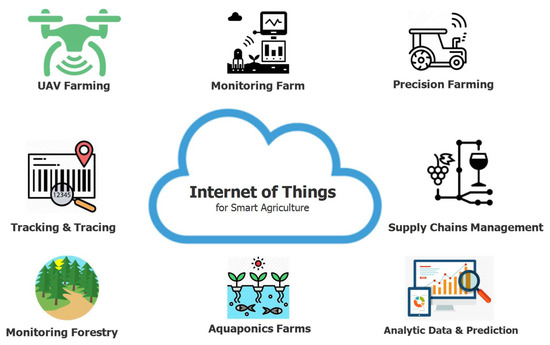
Revolutionizing Agriculture: IoT Applications in Smart Farming & Precision Agriculture
The agricultural landscape is undergoing a profound transformation, driven by the integration of cutting-edge technologies. At the forefront of this revolution are IoT applications in smart agriculture precision farming, ushering in an era of unprecedented efficiency, sustainability, and productivity. This comprehensive guide delves into how the Internet of Things (IoT) is redefining traditional farming practices, enabling farmers to make data-driven decisions that optimize resource utilization, enhance crop yields, and ensure a more resilient food supply for a growing global population. From real-time monitoring to automated systems, discover how connected agriculture is the future of food production.
The Foundational Pillars of IoT in Smart Agriculture
The Internet of Things functions as the central nervous system of modern farms, connecting various devices, sensors, and systems to collect and exchange critical data. This data forms the bedrock of precision agriculture, allowing for highly targeted interventions and informed decision-making. Understanding these foundational elements is crucial to appreciating the transformative power of IoT in the agricultural sector.
Real-time Data Collection and Monitoring
At its core, IoT enables continuous, real-time data acquisition from every corner of the farm. This constant stream of information provides farmers with an unparalleled understanding of their operational environment, moving beyond traditional guesswork to evidence-based strategies. The deployment of diverse sensor technology is paramount here:
- Soil Sensors: These devices measure critical parameters such as moisture levels, nutrient content (nitrogen, phosphorus, potassium), pH balance, and temperature. This data helps farmers determine optimal planting times, precise fertilization needs, and efficient irrigation schedules, directly impacting crop management.
- Weather Stations: Localized weather monitoring is vital. IoT-enabled weather stations provide real-time data on temperature, humidity, rainfall, wind speed, and solar radiation. This information is critical for anticipating pest outbreaks, planning spraying operations, and protecting crops from adverse conditions.
- Crop Health Sensors: Using spectral analysis, drones, or ground-based sensors, these devices assess plant vigor, detect early signs of disease, nutrient deficiencies, or pest infestations. This allows for proactive intervention, reducing crop loss and the need for widespread pesticide application.
- Livestock Monitoring Sensors: Wearable sensors on animals track health metrics like body temperature, activity levels, rumination, and even estrus cycles. This enables early detection of illnesses, optimizes breeding programs, and ensures animal welfare, contributing to more efficient livestock monitoring.
- Water Level Sensors: Deployed in reservoirs, irrigation canals, or even in the soil, these sensors provide accurate data on water availability and consumption, promoting responsible water management and combating scarcity.
Automated Systems and Robotics
Beyond data collection, IoT facilitates the automation of numerous farm tasks, significantly reducing manual labor, increasing operational speed, and ensuring consistency. This move towards farm automation is a game-changer for scalability and efficiency.
- Automated Irrigation Systems: Integrated with soil moisture sensors and weather data, these systems precisely deliver water only when and where it's needed, minimizing waste and optimizing plant hydration.
- Smart Sprayers: Using GPS and sensor data, these sprayers can apply pesticides or herbicides with extreme precision, targeting only affected areas or individual plants, thereby reducing chemical usage and environmental impact.
- Autonomous Tractors and Robotics: Self-driving tractors, seeding robots, and even harvesting robots are becoming a reality. These machines can perform tasks with high accuracy, operate around the clock, and reduce labor costs.
- Automated Feeding Systems: In livestock operations, IoT-enabled systems can dispense precise amounts of feed based on animal age, weight, and health data, optimizing nutrition and reducing feed waste.
Key IoT Applications Revolutionizing Precision Farming
The practical implementation of IoT in agriculture spans a wide array of applications, each designed to address specific challenges and unlock new opportunities for growth and sustainability. These IoT applications in smart agriculture precision farming are transforming every aspect of the farm lifecycle.
Precision Crop Management
One of the most impactful applications of IoT is in enabling highly precise crop management strategies. By understanding the unique needs of specific areas within a field, farmers can move away from uniform treatments to targeted interventions.
- Variable Rate Technology (VRT): This allows for the precise application of inputs like seeds, fertilizers, and pesticides at varying rates across a field, based on real-time soil and crop health data. This optimizes nutrient delivery and minimizes waste.
- Pest and Disease Detection: IoT sensors and AI-powered image analysis can identify the early onset of pests or plant diseases. For example, drones equipped with multispectral cameras can quickly scan large areas, pinpointing stressed plants that might indicate an issue. This enables immediate, localized treatment, preventing widespread outbreaks and reducing reliance on broad-spectrum chemicals.
- Yield Monitoring and Mapping: Sensors on harvesting equipment collect data on yield variations across a field. This information, when combined with soil and weather data, helps farmers understand the factors influencing yield and make better decisions for future planting seasons.
Smart Irrigation Systems
Water is a precious resource, and its efficient use is critical for sustainable agriculture. Smart irrigation systems leverage IoT to optimize water consumption, leading to significant savings and improved crop health.
These systems integrate soil moisture sensors, weather forecasts, and even crop-specific water requirements to deliver the exact amount of water needed, precisely when it's needed. For instance, a system might automatically adjust irrigation schedules based on a sudden rainfall or an increase in evaporation due to high temperatures. This not only conserves water but also prevents over-watering, which can lead to nutrient leaching and root diseases. Explore more about these innovations by understanding <a href="[URL to related article on smart irrigation technology]">smart irrigation technology</a>.
Livestock Monitoring and Management
IoT offers significant advancements in animal husbandry, enhancing animal welfare, productivity, and operational efficiency for farmers. Livestock monitoring solutions are becoming increasingly sophisticated.
Wearable sensors or ingestible boluses can track an animal's location, activity levels, body temperature, heart rate, and even digestive patterns. This data helps farmers identify sick animals early, prevent the spread of disease, optimize feeding regimes, and detect when animals are in heat for more efficient breeding. For example, a sudden drop in activity or a rise in temperature could trigger an alert, prompting immediate veterinary attention. This leads to healthier herds, reduced mortality rates, and ultimately, higher profitability.
Agricultural Drones and Remote Sensing
Unmanned Aerial Vehicles (UAVs), commonly known as drones, are an integral part of modern smart farming. Equipped with various sensors (RGB, multispectral, thermal), drones provide invaluable aerial insights.
- Field Mapping and Surveying: Drones can quickly create high-resolution maps of fields, identifying variations in topography, soil composition, and drainage patterns.
- Crop Health Assessment: Multispectral cameras on drones can detect changes in plant health invisible to the human eye, indicating nutrient deficiencies, water stress, or disease outbreaks long before visual symptoms appear. This enables targeted intervention.
- Precision Spraying and Seeding: Drones can be equipped to accurately spray pesticides, herbicides, or even plant seeds in specific areas, reducing waste and minimizing environmental impact. Learn more about the role of <a href="[URL to related article on agricultural drones]">agricultural drones</a> in modern farming.
Farm Fleet Management and Logistics
Managing a fleet of agricultural machinery can be complex. IoT streamlines this process through real-time tracking and data analysis.
Sensors on tractors, combines, and other equipment can monitor location, fuel consumption, engine health, and operational hours. This data enables farmers to optimize routes, schedule preventative maintenance, track asset utilization, and improve overall operational efficiency. It also helps in ensuring the security of valuable farm equipment and managing logistics for harvesting and transportation more effectively.
Predictive Analytics for Yield Optimization
The true power of IoT data is unleashed when combined with predictive analytics and artificial intelligence (AI). By analyzing vast datasets collected over time (historical weather patterns, soil data, crop yields, sensor readings), AI algorithms can forecast future outcomes with remarkable accuracy.
This allows farmers to predict optimal planting times, anticipate potential pest or disease outbreaks, forecast yield potential, and even make informed decisions about market timing for their produce. For example, AI can analyze soil type, seed variety, and historical weather data to recommend the most suitable crop for a specific plot, maximizing profitability and ensuring yield optimization.
Benefits of Adopting IoT in Agriculture
The integration of IoT applications in smart agriculture precision farming offers a multitude of compelling benefits that extend beyond mere efficiency gains. These advantages contribute to a more resilient, profitable, and environmentally responsible agricultural sector.
- Enhanced Resource Efficiency: By precisely managing water, fertilizers, and pesticides, farmers can significantly reduce waste, leading to lower operational costs and a smaller environmental footprint. This is key for sustainable agriculture.
- Increased Productivity and Yields: Data-driven insights enable optimal growing conditions, proactive disease/pest management, and precise input application, directly translating to higher quality crops and increased overall yields.
- Reduced Labor Costs: Automation of routine tasks, from irrigation to monitoring, frees up human labor for more complex or strategic activities, addressing the challenges of labor shortages in agriculture.
- Improved Decision-Making: Real-time data and predictive analytics empower farmers with actionable insights, allowing them to make timely and informed decisions that mitigate risks and capitalize on opportunities.
- Better Animal Welfare: Continuous monitoring of livestock health and behavior leads to earlier detection of issues, improving animal health and productivity.
- Environmental Sustainability: Reduced chemical use, optimized water consumption, and minimized carbon footprint contribute significantly to environmentally friendly farming practices.
- Enhanced Food Safety and Traceability: IoT can track produce from farm to fork, improving supply chain transparency and ensuring food safety standards.
- Data-Driven Farm Management: The ability to collect, analyze, and act upon vast amounts of data transforms farming into a highly scientific and manageable enterprise, moving towards comprehensive farm management systems.
Overcoming Challenges and Future Outlook
While the promise of IoT in agriculture is immense, its widespread adoption faces certain challenges. Addressing these is crucial for realizing the full potential of digital agriculture.
Connectivity: Many rural areas lack robust internet infrastructure, which is essential for seamless data transmission from IoT devices. Investment in rural broadband and alternative connectivity solutions like LoRaWAN or satellite internet is critical.
Data Security and Privacy: Farmers are increasingly concerned about the security of their sensitive operational data. Robust cybersecurity measures and clear data ownership policies are necessary to build trust.
Initial Investment and ROI: The upfront cost of implementing IoT solutions can be substantial. Demonstrating a clear return on investment (ROI) through case studies and accessible financing options is vital for encouraging adoption.
Technical Expertise: Operating and interpreting data from complex IoT systems requires a certain level of technical knowledge. Training programs and user-friendly interfaces are essential for farmers to leverage these technologies effectively.
Despite these hurdles, the future of IoT applications in smart agriculture precision farming is exceptionally bright. As technology becomes more affordable and accessible, and as connectivity improves globally, we will see even more innovative solutions emerge. The convergence of IoT with AI, machine learning, and advanced robotics will lead to truly autonomous farms, further optimizing every aspect of food production. This ongoing evolution promises a future where farming is not only more productive and profitable but also more sustainable and resilient in the face of environmental changes and global demands.
Frequently Asked Questions
What is precision farming and how does IoT contribute to it?
Precision farming is an agricultural approach that uses technology to observe, measure, and respond to variability in crops and fields. Instead of treating an entire field uniformly, precision farming applies inputs (water, fertilizer, pesticides) exactly where and when they are needed. IoT contributes significantly by providing the necessary real-time data through various sensors (soil, weather, crop health), and enabling automated, targeted actions through connected machinery. This data-driven approach minimizes waste, optimizes resource use, and maximizes yields, making farming more efficient and environmentally friendly. It's the backbone of modern smart farming solutions.
How does IoT help in water management in agriculture?
IoT revolutionizes water management in agriculture by enabling smart irrigation systems. Sensors placed in the soil measure moisture levels at various depths. These sensors, combined with local weather station data and even predictive analytics, determine the precise water requirements of crops. IoT-enabled controllers then automatically activate irrigation systems, delivering water only when and where it is needed, preventing both over-watering and under-watering. This targeted approach significantly reduces water consumption, conserves this vital resource, and lowers operational costs for farmers, contributing to greater resource efficiency.
Can IoT help in detecting crop diseases early?
Absolutely. IoT plays a crucial role in the early detection of crop diseases and pest infestations. Drones equipped with multispectral or hyperspectral cameras can capture detailed images of fields, revealing changes in plant health that are not visible to the naked eye. Ground-based sensors can also monitor plant conditions. This data is then analyzed using AI and machine learning algorithms to identify specific disease signatures or pest presence. Early detection allows farmers to apply targeted treatments quickly, preventing the spread of diseases, reducing crop loss, and minimizing the overall use of pesticides, which is a significant step towards more sustainable practices and improved yield optimization.
What are the main challenges farmers face in adopting IoT technologies?
While the benefits are clear, farmers face several challenges in adopting IoT applications in smart agriculture precision farming. One major hurdle is the lack of reliable internet connectivity in many rural agricultural areas, which is essential for data transmission. The initial investment cost for IoT sensors, hardware, and software can also be substantial, requiring a clear return on investment to justify. Additionally, concerns around data security and privacy, as well as the need for technical expertise to operate and interpret complex IoT systems, can be barriers. Overcoming these challenges through infrastructure development, accessible financing, robust security protocols, and comprehensive training is vital for broader adoption.

0 Komentar