
Complete Guide
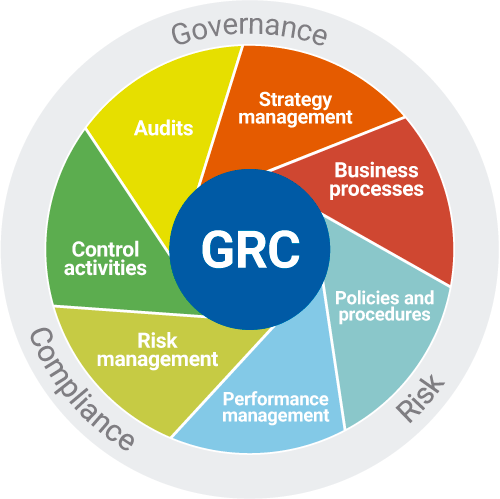
In today's interconnected digital landscape, organizations face an escalating barrage of cyber threats alongside an increasingly complex web of regulations. Navigating this intricate environment demands more than just technical safeguards; it requires a holistic, strategic approach. This is where a robust cybersecurity governance risk and compliance (GRC) framework becomes not just beneficial, but absolutely indispensable. A well-implemented GRC strategy integrates the management of IT governance, enterprise risk, and regulatory adherence into a cohesive, streamlined system, empowering businesses to protect critical assets, ensure data privacy, and maintain operational integrity while staying ahead of the evolving threat landscape. This comprehensive guide will delve deep into the core components, benefits, and practical steps for establishing an effective cybersecurity GRC framework, providing actionable insights for organizations of all sizes.
Understanding the Imperative of Cybersecurity GRC Frameworks
The digital transformation sweeping across industries has brought unprecedented opportunities, but also amplified cyber risks. From sophisticated ransomware attacks to pervasive data breaches, the cost of a security incident extends far beyond financial loss, encompassing reputational damage, legal penalties, and loss of customer trust. Simultaneously, a proliferation of global and regional regulations – such as GDPR, HIPAA, CCPA, and industry-specific mandates like PCI DSS – imposes strict requirements on how organizations manage and protect sensitive data. Without a unified approach, managing these disparate elements can lead to siloed operations, redundant efforts, and critical security gaps.
A cybersecurity GRC framework provides that essential unification. It moves beyond a reactive, technology-centric security posture to a proactive, business-aligned strategy. It ensures that security initiatives are not merely technical tasks but are integral to the organization's strategic objectives, risk appetite, and regulatory obligations. This integrated view fosters greater efficiency, reduces the likelihood of non-compliance, and significantly enhances the organization's overall cyber resilience.
Deconstructing the Pillars: Governance, Risk, and Compliance
To fully grasp the power of a cybersecurity GRC framework, it's crucial to understand its three foundational pillars:
Governance: The Strategic Compass
Cybersecurity governance establishes the strategic direction, policies, and processes that ensure the effective and ethical management of an organization's information security. It's about defining who makes decisions, who is accountable, and how security objectives align with business goals. Strong governance provides the overarching structure for all security activities, ensuring consistency, accountability, and continuous improvement. Key elements include:
- Leadership Commitment: Board and executive-level buy-in is paramount, demonstrating that cybersecurity is a business priority, not just an IT concern.
- Policy Development: Creating clear, actionable policies (e.g., acceptable use, data classification, access control) that guide employee behavior and system configurations. These policies form the backbone of sound information security management.
- Roles and Responsibilities: Clearly defining ownership and accountability for security tasks across the organization.
- Strategic Alignment: Ensuring that security investments and initiatives support broader business objectives and risk tolerance.
- Performance Monitoring: Establishing metrics and reporting mechanisms to track security posture and measure the effectiveness of controls.
Risk Management: Navigating the Perilous Waters
Cybersecurity risk management is the systematic process of identifying, assessing, mitigating, and monitoring cyber threats and vulnerabilities that could impact an organization's assets. It's not about eliminating all risk (which is impossible) but about understanding the organization's risk appetite and making informed decisions to reduce risk to an acceptable level. This proactive approach is vital for maintaining cyber resilience. Essential steps include:
- Risk Identification: Pinpointing potential threats (e.g., malware, insider threats, phishing) and vulnerabilities (e.g., unpatched systems, weak configurations) that could exploit critical assets.
- Risk Assessment: Evaluating the likelihood and impact of identified risks. This often involves quantitative (monetary value) and qualitative (high, medium, low) analysis. A thorough risk assessment is crucial for prioritizing efforts.
- Risk Mitigation: Implementing controls (technical, administrative, physical) to reduce the likelihood or impact of risks. Examples include encryption, multi-factor authentication, employee training, and robust backup strategies.
- Risk Monitoring and Review: Continuously tracking identified risks, assessing the effectiveness of controls, and adjusting strategies as the threat landscape evolves. This forms a critical part of enterprise risk management.
Compliance: Adhering to the Rulebook
Cybersecurity compliance refers to the adherence to laws, regulations, industry standards, and internal policies related to information security and data privacy. Failing to comply can result in severe fines, legal action, and reputational damage. The compliance pillar ensures that the organization's security practices meet external and internal requirements. Key aspects include:
- Regulatory Mapping: Identifying all applicable laws and regulations (e.g., GDPR for data privacy, HIPAA for healthcare data, SOC 2 for service organizations, PCI DSS for credit card data). This requires deep knowledge of regulatory compliance.
- Control Mapping: Mapping internal security controls to specific requirements within various regulations and standards. Many organizations leverage established security frameworks like NIST, ISO 27001, or COBIT as foundational structures.
- Evidence Collection: Gathering documentation and evidence to demonstrate adherence to requirements (e.g., audit logs, policy documents, training records).
- Audits and Reporting: Conducting internal and external audits to verify compliance status and reporting findings to relevant stakeholders and authorities.
- Policy Enforcement: Ensuring that internal security policies are not just written but actively enforced, including measures for policy enforcement.
The Tangible Benefits of a Robust GRC Framework
Implementing a comprehensive cybersecurity GRC framework delivers a multitude of strategic and operational advantages:
- Reduced Risk Exposure: By systematically identifying and mitigating risks, organizations significantly lower their susceptibility to breaches, data loss, and operational disruptions. This enhances overall cyber resilience.
- Improved Decision-Making: GRC provides a clear, integrated view of security posture, risks, and compliance status, enabling executives to make informed strategic decisions about security investments and priorities.
- Enhanced Regulatory Compliance: A structured framework ensures consistent adherence to complex regulatory mandates, minimizing the risk of fines and legal repercussions for issues related to data privacy and other compliance areas.
- Increased Operational Efficiency: Integrating governance, risk, and compliance functions eliminates redundancies, streamlines processes, and reduces the administrative burden associated with managing disparate security initiatives.
- Cost Savings: Proactive risk management and compliance reduce the likelihood of costly security incidents, legal penalties, and remediation efforts. Streamlined processes also optimize resource allocation.
- Strengthened Reputation and Trust: Demonstrating a strong commitment to security and compliance builds trust with customers, partners, and stakeholders, enhancing brand reputation.
- Better Allocation of Resources: By prioritizing risks based on business impact, organizations can allocate resources more effectively to address the most critical security challenges.
- Faster Incident Response: A well-governed framework includes clear incident response plans, allowing for quicker detection, containment, and recovery from security incidents.
Building Your Cybersecurity GRC Framework: A Strategic Blueprint
Establishing an effective GRC framework is an iterative process that requires careful planning, executive support, and continuous refinement. Here's a strategic blueprint:
Phase 1: Assessment and Strategy
- Gain Executive Buy-In: Secure commitment from the board and senior management. Frame GRC as a business imperative, not just a technical requirement.
- Define Scope and Objectives: Identify critical assets, business processes, and the specific regulatory landscape your organization operates within. What are the primary goals for your GRC initiative?
- Conduct a Baseline Assessment: Evaluate your current security posture, existing policies, risk management practices, and compliance gaps. This helps identify strengths and weaknesses.
- Identify Applicable Regulations and Frameworks: List all relevant laws, industry standards (e.g., NIST Cybersecurity Framework, ISO 27001, COBIT), and internal policies that apply to your organization.
Phase 2: Design and Development
- Develop GRC Policies and Procedures: Create or update policies that reflect the organization's risk appetite, security objectives, and compliance requirements. Ensure they are clear, concise, and actionable.
- Establish a Risk Management Program: Define methodologies for ongoing risk identification, assessment, mitigation, and monitoring. This includes developing a risk register and a risk appetite statement.
- Map Controls to Requirements: Link your existing and planned security controls to specific regulatory mandates and internal policies. This ensures comprehensive coverage and helps identify control gaps.
- Define Roles and Responsibilities: Clearly assign ownership for GRC activities across various departments (IT, legal, HR, operations).
- Select GRC Technology (Optional but Recommended): Evaluate and select GRC software platforms that can automate processes, manage documentation, and provide real-time dashboards for monitoring.
Phase 3: Implementation and Operationalization
- Implement Controls and Processes: Roll out new security controls, update existing ones, and operationalize the defined GRC processes. This includes technical implementations (e.g., access controls, encryption) and administrative processes (e.g., incident response plans).
- Employee Training and Awareness: Educate all employees about their roles in maintaining security and compliance. Regular training is crucial for fostering a security-aware culture and ensuring effective policy enforcement.
- Establish Monitoring and Reporting Mechanisms: Implement systems for continuous monitoring of security controls, risk status, and compliance adherence. Develop regular reporting frameworks for various stakeholders, including executive leadership. Ensure robust audit trails are maintained.
- Integrate with Incident Response: Ensure that the GRC framework seamlessly integrates with your organization's incident response plan, providing clear guidelines for handling security breaches and reporting requirements.
Phase 4: Continuous Monitoring and Improvement
- Regular Audits and Reviews: Conduct internal and external audits periodically to assess the effectiveness of the GRC framework and identify areas for improvement.
- Performance Measurement: Track key performance indicators (KPIs) and key risk indicators (KRIs) to measure the framework's effectiveness and identify trends.
- Adapt to Changes: The threat landscape, technological advancements, and regulatory environment are constantly evolving. Your GRC framework must be agile and adaptable to these changes through regular updates and refinements.
- Feedback Loop: Establish a continuous feedback mechanism to gather insights from various departments and adjust the framework accordingly.
Overcoming Challenges in GRC Implementation
While the benefits are clear, implementing a cybersecurity GRC framework can present challenges:
- Siloed Operations: Many organizations struggle with disparate departments (IT, Legal, Audit, HR) working in isolation. A successful GRC framework requires breaking down these silos and fostering cross-functional collaboration.
- Lack of Executive Sponsorship: Without strong support from top leadership, GRC initiatives can struggle for resources and prioritization.
- Complexity and Scope Creep: The sheer volume of regulations, risks, and controls can be overwhelming. Starting small, focusing on critical areas, and iterating can help manage complexity.
- Resource Constraints: Implementing and maintaining a GRC framework requires dedicated personnel, budget, and time. Organizations must commit adequate resources.
- Resistance to Change: Employees may resist new policies or processes. Effective change management, communication, and training are crucial for successful adoption.
- Technology Integration: Integrating various security tools and GRC platforms can be technically challenging.
To overcome these, focus on clear communication, phased implementation, leveraging automation where possible, and demonstrating tangible value to stakeholders early on. A "crawl, walk, run" approach often works best, allowing organizations to build maturity over time.
Leveraging Technology for Enhanced GRC
While GRC is fundamentally about processes and people, technology plays a pivotal role in its efficiency and effectiveness. GRC software platforms are designed to automate many of the manual tasks associated with risk management, compliance reporting, and policy management. These tools can:
- Centralize Data: Provide a single source of truth for all GRC-related information, including policies, controls, risks, and audit findings.
- Automate Workflows: Streamline processes such as risk assessments, policy reviews, and audit management.
- Improve Reporting: Generate real-time dashboards and reports, offering clear visibility into the organization's GRC posture.
- Facilitate Control Mapping: Help map internal controls to multiple regulatory requirements efficiently, leveraging common control frameworks.
- Enhance Monitoring: Integrate with security tools to provide continuous monitoring of control effectiveness and detect deviations.
When selecting a GRC platform, consider its scalability, integration capabilities with existing systems, ease of use, and alignment with your specific security frameworks (e.g., NIST, ISO 27001) and regulatory requirements.
Frequently Asked Questions About Cybersecurity GRC
What is the primary purpose of a cybersecurity GRC framework?
The primary purpose of a cybersecurity governance risk and compliance (GRC) framework is to provide a unified, strategic approach for managing an organization's information security. It ensures that security efforts are aligned with business objectives, risks are systematically identified and mitigated, and all relevant laws, regulations, and industry standards are adhered to, thereby protecting assets and maintaining operational integrity.
How does a GRC framework differ from traditional cybersecurity efforts?
Traditional cybersecurity often focuses primarily on technical safeguards and reactive defense. A GRC framework, however, integrates governance (strategic oversight, policies), risk management (proactive identification and mitigation), and compliance (adherence to external and internal rules) into a holistic system. It shifts the focus from purely technical controls to a business-driven approach that addresses the strategic, operational, and regulatory aspects of security, ensuring information security management is comprehensive.
What are common industry frameworks aligned with GRC principles?
Several widely recognized industry frameworks align with GRC principles and can serve as excellent foundations for building a cybersecurity GRC framework. Prominent examples include the NIST Cybersecurity Framework (CSF), ISO/IEC 27001 (Information Security Management Systems), COBIT (Control Objectives for Information and Related Technologies), and specific regulatory mandates like GDPR (General Data Protection Regulation) or HIPAA (Health Insurance Portability and Accountability Act).
Can small businesses benefit from a GRC framework?
Absolutely. While the scale and complexity may differ, small businesses face similar cyber threats and regulatory pressures as larger enterprises, albeit often with fewer resources. A simplified, tailored GRC framework can help small businesses systematically identify their most critical assets, understand their risk exposure, and implement essential controls to meet regulatory compliance requirements, ultimately enhancing their cyber resilience and protecting their vital operations and data.

0 Komentar