
Mastering Cyber Resilience: Your Guide to the NIST Cybersecurity Risk Management Framework
In an era defined by escalating cyber threats and sophisticated attacks, establishing a robust cybersecurity posture is no longer optional—it's a fundamental imperative for organizational survival and success. Enterprises globally are grappling with the complexities of digital risk, from potential data breaches to operational disruptions. This comprehensive guide delves deep into the cybersecurity risk management framework NIST, providing an authoritative roadmap for organizations seeking to fortify their defenses, ensure regulatory compliance, and achieve lasting organizational resilience. Discover how the widely recognized NIST guidelines can transform your approach to information security, mitigate vulnerabilities, and proactively manage cyber risk.
Understanding the NIST Cybersecurity Framework (NIST CSF): A Foundation for Risk Management
The National Institute of Standards and Technology (NIST) has developed a suite of frameworks and guidelines that have become the gold standard for managing cybersecurity risk. Among these, the NIST Cybersecurity Framework (CSF) stands out as a voluntary framework designed to help organizations of all sizes better understand, manage, and reduce their cybersecurity risks. It provides a common language and systematic approach to managing cyber risk, making it easier for diverse stakeholders, from technical teams to senior leadership, to communicate and collaborate effectively on security matters. The CSF is not a prescriptive checklist but rather a flexible, adaptable tool that can be tailored to an organization's unique needs, risk tolerance, and existing security programs.
The Five Core Functions of NIST CSF
The NIST CSF is structured around five core, concurrent, and continuous functions that provide a high-level strategic view of an organization's management of cybersecurity risk. These functions are crucial for building a holistic and adaptive security program:
- Identify: This function helps an organization develop an understanding of its systems, assets, data, and capabilities. It involves establishing the organizational context, resources that support critical functions, and the related cybersecurity risks. Key activities include asset management, business environment understanding, governance, risk assessment, and risk management strategy development. Understanding your assets is the first step towards protecting them.
- Protect: The Protect function outlines appropriate safeguards to ensure the delivery of critical infrastructure services. It supports the ability to limit or contain the impact of a potential cybersecurity event. This includes implementing security controls such as access control, data security, protective technology, awareness and training, and maintenance procedures. Proactive measures are essential to prevent incidents.
- Detect: This function focuses on developing and implementing appropriate activities to identify the occurrence of a cybersecurity event. It enables timely discovery of cyber attacks. Activities here include anomalies and events detection, security continuous monitoring, and detection processes. Early detection is vital for minimizing damage.
- Respond: The Respond function outlines appropriate activities to take action regarding a detected cybersecurity incident. It supports the ability to contain the impact of a cybersecurity incident. This involves incident response planning, communications, analysis, mitigation, and improvements. A well-defined response plan can make all the difference during a crisis.
- Recover: The Recover function outlines appropriate activities to maintain plans for resilience and to restore any capabilities or services that were impaired due to a cybersecurity incident. It supports timely recovery to normal operations to reduce the impact from a cybersecurity incident. Key activities include recovery planning, improvements, and communications.
The NIST Risk Management Framework (NIST RMF): A Detailed Implementation Blueprint
While the NIST CSF provides a high-level, strategic view, the NIST Risk Management Framework (RMF), primarily detailed in NIST Special Publication 800-37, offers a more granular, step-by-step process for managing security and privacy risks for federal information systems and organizations. However, its principles and processes are universally applicable and highly beneficial for any organization serious about its information security. The RMF emphasizes a disciplined and structured approach to integrating security and privacy into the system development life cycle, from initial design to disposal. It’s about building security in, not bolting it on.
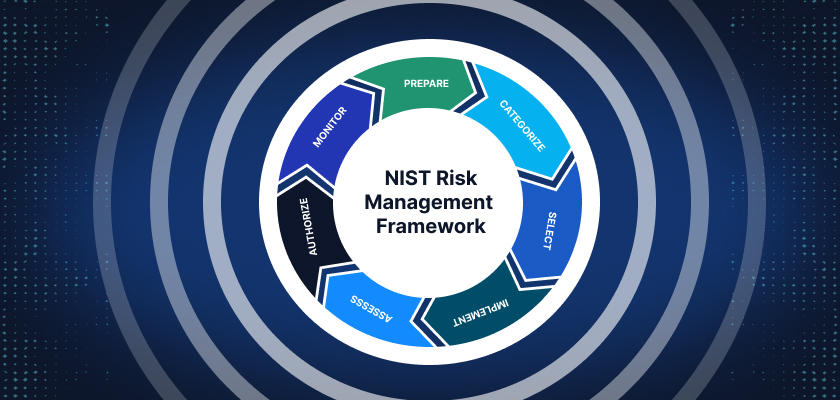
The Seven Steps of the NIST RMF
The NIST RMF provides a detailed, iterative process for managing security and privacy risks. Adhering to these steps ensures a comprehensive and systematic approach to protecting organizational assets:
- Prepare: This foundational step establishes the context and necessary conditions for managing security and privacy risks. It involves identifying mission and business objectives, defining system boundaries, establishing an enterprise-wide risk management strategy, and ensuring adequate resources are available. Effective preparation lays the groundwork for all subsequent steps and is critical for success.
- Categorize: Organizations must categorize information systems and the information processed, stored, and transmitted by those systems based on impact levels (low, moderate, high) if there were a breach of confidentiality, integrity, or availability. This step, guided by FIPS 199 and NIST SP 800-60, helps in tailoring security controls to the specific risk profile of the system.
- Select: Based on the system's categorization, organizations select an initial set of baseline security controls from NIST SP 800-53, "Security and Privacy Controls for Information Systems and Organizations." These controls are then tailored to the specific operational environment, considering mission requirements, organizational policies, and threat intelligence.
- Implement: The selected and tailored security controls are then implemented within the information system and its operating environment. This involves configuring hardware and software, developing policies and procedures, and training personnel. Proper documentation of the implementation details is crucial for subsequent assessment and monitoring.
- Assess: Organizations assess the implemented controls to determine if they are operating as intended and producing the desired security and privacy outcomes. This step involves conducting security assessments, penetration testing, and vulnerability scanning. Independent assessors often perform these evaluations to ensure objectivity and thoroughness.
- Authorize: Based on the assessment results, senior organizational officials make a risk-based decision to authorize the system to operate. This authorization signifies that the risks associated with operating the system are acceptable given the implemented controls and the organization's risk tolerance. It's a formal acceptance of residual risk.
- Monitor: The final, but continuous, step involves monitoring the security and privacy controls on an ongoing basis. This includes continuous monitoring of system changes, security posture, and the evolving threat landscape. Regular re-assessments, vulnerability management, and incident reporting are key components of this phase to ensure that controls remain effective over time. This cyclical process ensures the cybersecurity risk management framework NIST remains dynamic and responsive.
Why Adopt a NIST Cybersecurity Risk Management Framework? Unlocking Key Benefits
Implementing a cybersecurity risk management framework NIST offers a multitude of strategic advantages beyond mere compliance. It fundamentally transforms an organization's approach to security, fostering a proactive and adaptive defense mechanism against an ever-evolving array of cyber threats.
- Enhanced Cybersecurity Posture: By providing a structured and comprehensive approach, NIST frameworks enable organizations to identify, prioritize, and manage cybersecurity risks systematically. This leads to a more robust and resilient security infrastructure capable of withstanding sophisticated attacks.
- Improved Compliance & Regulatory Alignment: NIST frameworks are widely recognized and often referenced by various regulatory bodies (e.g., HIPAA, GDPR, CCPA, PCI DSS). Adopting NIST guidelines significantly aids organizations in meeting their legal and contractual obligations, reducing the risk of penalties and legal action. Many industries, especially those dealing with critical infrastructure or sensitive data, find NIST an invaluable tool for demonstrating due diligence.
- Better Resource Allocation: The structured risk assessment process within NIST frameworks helps organizations understand where their most significant risks lie. This insight allows for more strategic allocation of limited resources, ensuring investments in security controls are made where they will have the greatest impact, optimizing the return on security investment.
- Streamlined Incident Response: Both the CSF and RMF emphasize proactive planning for cybersecurity incidents. By defining clear roles, responsibilities, and procedures for detection, response, and recovery, organizations can significantly reduce the impact and recovery time from a security breach. This focus on incident response planning is invaluable.
- Strengthened Organizational Resilience: Beyond just preventing attacks, NIST frameworks focus on an organization's ability to withstand, recover from, and adapt to disruptive cybersecurity events. This cultivates true organizational resilience, ensuring business continuity even in the face of adversity.
- Clear Communication and Collaboration: The common language and structured approach provided by NIST enable better communication among technical teams, management, and external stakeholders regarding cybersecurity risks and controls. This fosters a shared understanding and facilitates collective decision-making, improving overall enterprise risk management.
Practical Implementation Strategies and Best Practices
Adopting a cybersecurity risk management framework NIST requires careful planning and a phased approach. Here are practical strategies and best practices to guide your journey:
Getting Started with NIST Frameworks
- Assess Your Current State: Before diving into implementation, conduct a thorough assessment of your existing cybersecurity capabilities, policies, and procedures against the NIST CSF or RMF. Identify gaps and areas for improvement. This baseline assessment is critical for setting realistic goals.
- Define Scope and Prioritize: Determine which systems, data, and business processes will be covered by the framework. Given that achieving full compliance can be a significant undertaking, prioritize efforts based on the criticality of assets and the severity of associated risks. Focus on high-impact areas first.
- Engage Stakeholders: Cybersecurity is an organizational responsibility, not just an IT one. Secure buy-in from senior leadership, legal, HR, and operational teams. Establish a cross-functional team to drive the implementation process. Their active participation is vital for embedding cyber hygiene across the organization.
- Start Small, Scale Up: Consider a pilot program for a specific department or critical system before rolling out the framework across the entire organization. This allows for learning, refinement, and demonstrating early successes.
Continuous Improvement and Monitoring
The landscape of cyber threats is constantly evolving, making continuous monitoring and adaptation essential for maintaining an effective cybersecurity risk management framework NIST. A static security program is a vulnerable one.
- Regular Audits and Assessments: Periodically review your implementation of NIST controls. Conduct internal and external audits to ensure controls are operating effectively and remain aligned with organizational objectives and the evolving threat landscape.
- Integrate Threat Intelligence: Leverage current threat intelligence feeds to understand emerging vulnerabilities and attack vectors. Adjust your security controls and risk assessments based on this intelligence to stay ahead of adversaries.
- Training and Awareness: Human error remains a leading cause of security incidents. Implement ongoing cybersecurity awareness training for all employees, from new hires to executives, to foster a security-conscious culture.
- Supply Chain Risk Management: Extend your NIST framework principles to your supply chain. Assess the cybersecurity posture of your vendors and partners, as they can be significant sources of risk. Incorporate security requirements into contracts and conduct regular reviews. For more insights, consider exploring best practices for supply chain risk management.
- Leverage Automation: Utilize security automation tools for tasks like vulnerability scanning, patch management, and incident response to improve efficiency and consistency in maintaining your security posture.
Addressing Common Challenges in NIST Framework Adoption
While the benefits of adopting a cybersecurity risk management framework NIST are clear, organizations often encounter hurdles during implementation. Proactive planning can help mitigate these challenges:
- Resource Constraints: Implementing comprehensive frameworks like NIST can be resource-intensive, requiring significant investment in time, budget, and skilled personnel. Solution: Prioritize implementation phases, leverage existing tools, and consider external expertise or managed security services to augment internal capabilities.
- Complexity and Scope: The sheer volume of controls and guidelines in NIST SP 800-53 can be overwhelming. Solution: Break down the implementation into manageable phases. Focus on tailoring controls to your specific risk profile rather than attempting to implement every single control. The RMF's phased approach helps manage this complexity.
- Lack of Executive Buy-in: Without strong support from senior leadership, cybersecurity initiatives can falter. Solution: Clearly articulate the business value of NIST adoption, focusing on risk reduction, compliance benefits, and enhanced organizational resilience. Frame cybersecurity as a business enabler, not just an IT cost.
- Integration with Existing Systems: Integrating new security processes and controls with legacy systems and existing IT infrastructure can be challenging. Solution: Conduct a thorough inventory of existing systems and map them against NIST requirements. Develop an integration plan that minimizes disruption and leverages existing investments where possible.
Frequently Asked Questions
What is the primary difference between NIST CSF and NIST RMF?
The NIST Cybersecurity Framework (CSF) provides a high-level, flexible framework for managing cybersecurity risk across an organization, focusing on five core functions: Identify, Protect, Detect, Respond, and Recover. It's voluntary and adaptable to various sectors. In contrast, the NIST Risk Management Framework (RMF) is a more detailed, seven-step process (Prepare, Categorize, Select, Implement, Assess, Authorize, Monitor) primarily designed for federal information systems to integrate security and privacy into the system development lifecycle. While the CSF describes "what" to do, the RMF provides a detailed "how-to" guide for implementation, especially for government entities, though its principles are broadly applicable for robust cybersecurity risk management.
How does NIST help with regulatory compliance?
NIST frameworks provide a structured and comprehensive approach to managing information security, which directly aids in meeting various regulatory and legal requirements. Many regulations, such as HIPAA, GDPR, PCI DSS, and CMMC (for defense contractors), either directly reference NIST publications or align closely with their principles. By implementing a cybersecurity risk management framework NIST, organizations establish documented processes and controls that demonstrate due diligence and a commitment to protecting sensitive data, thereby significantly simplifying compliance audits and reducing the risk of non-compliance penalties. It provides a common, recognized standard for demonstrating robust information security practices.
Can small businesses implement the NIST Framework?
Absolutely. While the NIST frameworks can appear extensive, they are designed to be adaptable for organizations of all sizes, including small businesses. NIST provides resources like the "Small Business Cybersecurity Act" and tailored guides to help smaller entities implement the CSF effectively. The key is to tailor the framework to the specific risks, resources, and operational context of the small business. Focusing on the core functions of the CSF (Identify, Protect, Detect, Respond, Recover) and prioritizing high-impact risks can make implementation manageable and highly beneficial for enhancing their cybersecurity posture.
What are the first steps an organization should take to adopt NIST guidelines?
The initial steps involve gaining a clear understanding of your current cybersecurity state and organizational context. First, conduct a thorough self-assessment or gap analysis against the NIST CSF's five functions to identify your current capabilities and areas needing improvement. Second, define the scope of your implementation, focusing on critical assets and business processes. Third, secure executive buy-in and establish a dedicated team. Finally, develop a phased implementation plan, prioritizing actions based on risk assessment results and available resources. Starting with the "Identify" function is often recommended to understand your assets and cyber threats.
How often should an organization review its cybersecurity risk management framework?
A cybersecurity risk management framework NIST should not be a static document but a living program. Organizations should continuously monitor their security controls and the evolving threat landscape. Formal reviews, including comprehensive risk assessments and security audits, should be conducted at least annually, or whenever significant changes occur in the organization's systems, business operations, or regulatory environment. Regular reviews ensure that the framework remains effective, relevant, and capable of addressing new and emerging cyber threats, supporting true organizational resilience.
Strengthening Your Cyber Defenses with NIST
Embracing a cybersecurity risk management framework NIST is a strategic investment in your organization's future. It's about moving beyond reactive defense to proactive risk management, building a culture of security, and ensuring long-term digital resilience. By systematically identifying risks, implementing robust controls, continuously monitoring your environment, and having clear response and recovery plans, you can significantly enhance your cybersecurity posture. The NIST frameworks offer a proven, adaptable, and comprehensive methodology to navigate the complex world of cyber risk, safeguarding your assets, maintaining trust, and securing your operational continuity in an increasingly connected world. Start strengthening your cyber defenses today by adopting these authoritative guidelines, transforming potential vulnerabilities into sources of competitive advantage and unparalleled information security.

0 Komentar