
Machine Learning for Predicting Customer Churn: Advanced Techniques for Superior Customer Retention
In today's fiercely competitive landscape, understanding and predicting customer behavior is paramount for business survival and growth. One of the most critical challenges businesses face is customer churn – the loss of customers to competitors or simply due to disengagement. This phenomenon, often dubbed the "silent killer" of revenue, can erode profitability significantly. While traditional methods offer some insights, the advent of machine learning for predicting customer churn has revolutionized the ability of organizations to identify at-risk customers proactively, empowering them to implement targeted churn prevention strategies. This comprehensive guide delves into advanced machine learning techniques, providing a strategic roadmap for building robust churn prediction models that drive superior customer retention and maximize customer lifetime value (CLV).
Understanding Customer Churn: Why it Matters More Than Ever
Customer churn is not just a metric; it's a direct indicator of customer satisfaction and loyalty. Acquiring new customers typically costs significantly more than retaining existing ones, making effective churn management a cornerstone of sustainable business growth. High churn rates can lead to reduced revenue, diminished market share, and a damaged brand reputation. Businesses across various sectors – including telecommunications, SaaS, banking, e-commerce, and subscription services – grapple with this challenge daily. By leveraging predictive analytics powered by machine learning, companies can move beyond reactive measures to a proactive stance, identifying warning signs long before a customer decides to leave.
The Silent Killer: Identifying Churn Drivers
Pinpointing the exact reasons for customer churn can be complex, as they often stem from a myriad of factors. These can range from poor customer service and competitive pricing to changing customer needs or a decline in product utility. Machine learning models excel at sifting through vast datasets to uncover these subtle, often interconnected, churn drivers. They analyze patterns in behavioral data, transactional histories, demographic information, and even customer sentiment to build a comprehensive picture of potential churn risk. Understanding these drivers is the first step towards developing effective interventions.
- Usage Patterns: Declining engagement, reduced login frequency, or decreased feature usage.
- Transactional History: Fewer purchases, lower average order value, or cancellation of subscriptions.
- Customer Service Interactions: Frequent complaints, unresolved issues, or negative feedback.
- Demographic Information: While not a direct cause, certain segments might exhibit higher churn propensity.
- Product/Service Feedback: Negative reviews, low satisfaction scores, or unaddressed feature requests.
The Power of Machine Learning in Churn Prediction
The transition from traditional statistical methods to machine learning algorithms marks a significant leap in the accuracy and effectiveness of churn prediction. Unlike rule-based systems that rely on predefined thresholds, ML models learn intricate patterns directly from data, adapting and improving over time. This capability allows them to identify non-obvious correlations and predict churn with a much higher degree of precision, transforming a reactive business challenge into an opportunity for strategic intervention.
Traditional vs. ML Approaches
Historically, businesses might have used simple dashboards or basic statistical analysis to flag customers exhibiting certain behaviors. While these methods offer some insights, they often lack the granularity and predictive power needed for truly effective churn prevention. They struggle with large, complex datasets, non-linear relationships, and the dynamic nature of customer behavior. Machine learning, on the other hand, thrives on these complexities. It can process high-dimensional data, automatically discover hidden relationships, and build models that generalize well to new, unseen customer data, providing a robust early warning system.
Key Machine Learning Algorithms for Churn Prediction
A variety of machine learning algorithms are employed in churn prediction, each with its strengths. The choice of algorithm often depends on the specific dataset, the desired model interpretability, and the required accuracy. A skilled data science team will experiment with several to find the optimal fit.
- Logistic Regression: A fundamental classification algorithm, simple to implement and highly interpretable. It provides the probability of a customer churning, making it excellent for initial models and baseline comparisons.
- Decision Trees and Random Forests: These tree-based models are powerful for identifying important features and handling non-linear relationships. Random Forests, an ensemble of decision trees, reduce overfitting and improve robustness, making them highly effective for understanding feature importance in churn.
- Gradient Boosting Machines (e.g., XGBoost, LightGBM, CatBoost): These advanced ensemble techniques are renowned for their high accuracy and ability to handle complex datasets. They build models sequentially, correcting errors of previous models, often yielding state-of-the-art results in churn prediction competitions.
- Support Vector Machines (SVMs): Effective for finding an optimal hyperplane that separates churners from non-churners, especially in high-dimensional spaces.
- Neural Networks (Deep Learning): While requiring more data and computational resources, deep learning models can capture very complex, non-linear patterns, particularly useful when dealing with sequential or unstructured data like text from customer interactions.
Advanced Techniques for Superior Churn Prediction
Achieving truly superior churn prediction goes beyond simply applying standard algorithms. It involves sophisticated data preparation, model optimization, and thoughtful consideration of model interpretability. These advanced techniques are what separate good churn models from truly exceptional ones.
Feature Engineering: The Art of Data Transformation
Raw data, no matter how abundant, rarely provides all the necessary signals for accurate prediction. Feature engineering is the process of creating new, highly predictive features from existing raw data. This step is often considered the most crucial for model performance, even more so than the choice of algorithm. It requires deep domain knowledge and creativity from the data science team.
- RFM (Recency, Frequency, Monetary) Features: Calculating how recently a customer made a purchase, how often they purchase, and how much they spend. These are classic and highly effective features for churn prediction, especially in retail.
- Engagement Metrics: Number of app logins, duration of sessions, features used, content consumed, or service interactions.
- Time-Based Aggregations: Calculating moving averages, standard deviations, or growth rates of key metrics over specific periods (e.g., last 7 days, last 30 days).
- Sentiment Analysis: Extracting sentiment from customer service tickets, social media mentions, or survey responses to gauge satisfaction levels.
- Interaction Lag: Time elapsed since the last positive interaction or the last complaint.
Ensemble Modeling: Combining Strengths
Ensemble methods combine the predictions of multiple base models to produce a single, more robust and accurate prediction. This approach often mitigates the weaknesses of individual models and reduces variance, leading to better generalization. Common ensemble techniques include:
- Bagging (e.g., Random Forest): Training multiple models independently on different subsets of the data and averaging their predictions.
- Boosting (e.g., XGBoost, LightGBM): Training models sequentially, with each new model trying to correct the errors of the previous ones.
- Stacking: Training a "meta-model" to learn how to best combine the predictions of several base models. This can yield highly accurate results but can be more complex to implement.
Time-Series Analysis and Deep Learning for Behavioral Churn
For businesses with rich sequential customer data (e.g., web clicks, app usage logs, call center interactions), traditional static features might not capture the full picture of evolving customer behavior. Time-series analysis and deep learning models, particularly Recurrent Neural Networks (RNNs) like LSTMs (Long Short-Term Memory) and GRUs (Gated Recurrent Units), are excellent for modeling sequences. They can learn dependencies over long periods, identifying subtle shifts in behavior that precede churn, offering a true predictive analytics edge.
Interpretable AI (XAI) in Churn Models
While complex models like Gradient Boosting or Neural Networks offer high accuracy, they can often be "black boxes," making it difficult to understand why a customer is predicted to churn. Interpretable AI (XAI) techniques such as SHAP (SHapley Additive exPlanations) and LIME (Local Interpretable Model-agnostic Explanations) are crucial for business adoption. They help explain individual predictions, revealing which features contributed most to a customer's churn probability. This understanding allows businesses to develop more precise and effective churn prevention strategies, building trust in the model's recommendations.
Implementing a Robust Churn Prediction System: A Strategic Roadmap
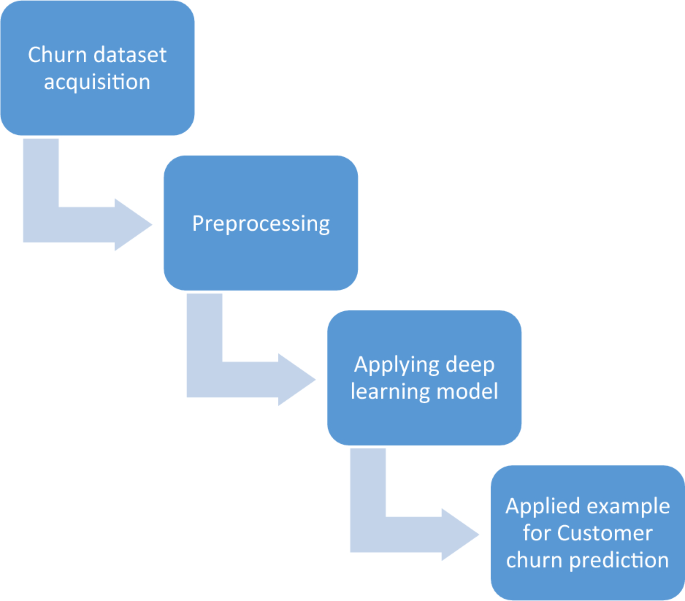
Building an effective machine learning for predicting customer churn system requires a systematic approach, integrating data, technology, and business strategy. It's not just about building a model; it's about creating a continuous feedback loop that drives actionable insights.
- Data Collection and Integration: The foundation of any powerful ML model is clean, comprehensive data. This involves integrating data from various sources (CRM, ERP, web analytics, support tickets, marketing platforms) into a unified data warehouse or lake. Data quality, consistency, and completeness are paramount.
- Feature Engineering and Selection: As discussed, this iterative process involves creating new predictive features and selecting the most relevant ones. Techniques like feature importance from tree-based models or statistical methods can guide this step.
- Model Training and Validation: The chosen machine learning algorithms are trained on historical data. Rigorous validation using techniques like cross-validation is essential to ensure the model generalizes well to new data and avoids overfitting. Hyperparameter tuning is critical here to optimize model performance.
- Model Deployment and Monitoring: Once validated, the model needs to be deployed into a production environment, enabling real-time or batch predictions. Continuous monitoring of model performance is vital to detect concept drift (when customer behavior patterns change over time), ensuring the model remains accurate and relevant. This creates a powerful early warning system.
- Actionable Insights and Churn Prevention Strategies: The predictions are only valuable if they lead to action. Churn scores should be integrated into CRM systems or operational dashboards, triggering specific interventions. This could include targeted offers, personalized communication, proactive customer service outreach, or product feature enhancements. The ultimate goal is to improve customer retention.
Measuring Success: Metrics and Model Evaluation
Evaluating a churn prediction model goes beyond simple accuracy. Since churn events are often rare (imbalanced datasets), specific metrics are needed to truly assess a model's effectiveness in identifying at-risk customers.
- AUC-ROC (Area Under the Receiver Operating Characteristic Curve): A robust metric that measures the model's ability to distinguish between churners and non-churners across various threshold settings. A higher AUC-ROC indicates better discriminative power.
- Precision, Recall, and F1-Score:
- Precision: Of all customers predicted to churn, how many actually churned? (Minimizes false positives – important for costly interventions).
- Recall (Sensitivity): Of all customers who actually churned, how many did the model correctly identify? (Minimizes false negatives – important for catching all at-risk customers).
- F1-Score: The harmonic mean of precision and recall, offering a balance between the two.
- Lift Charts/Gain Charts: These visualize how much better the model performs compared to a random selection. They are excellent for demonstrating the business value of the model by showing how many churners can be identified by targeting a certain percentage of the highest-risk customers.
- Customer Lifetime Value (CLV): Ultimately, the success of a churn prediction model should be measured by its impact on customer lifetime value. By reducing churn, businesses increase the average CLV, leading to direct revenue growth.
Practical Applications and Real-World Impact
The practical applications of an effective machine learning for predicting customer churn system are vast and can significantly impact a company's bottom line and strategic direction. Businesses leveraging these models can transform their approach to customer management.
- Targeted Marketing Campaigns: Instead of blanket promotions, businesses can deploy highly personalized offers and incentives specifically designed to re-engage at-risk customers, ensuring marketing spend is optimized for maximum impact.
- Proactive Customer Service Interventions: Customer service teams can be alerted to high-risk customers, allowing them to initiate proactive outreach, address potential issues before they escalate, and offer personalized support. This enhances the overall customer experience and strengthens loyalty.
- Personalized Offers and Incentives: Based on the specific reasons a customer is likely to churn (identified by the model's interpretable insights), businesses can craft tailored retention offers, such as discounted subscriptions, feature upgrades, or exclusive content, making the offer more compelling.
- Product Development Insights: By analyzing the features that contribute most to churn (via feature importance), product teams gain valuable insights into areas needing improvement or new features that could enhance customer satisfaction and reduce attrition.
- Optimized Resource Allocation: Resources can be strategically allocated to customers with the highest churn probability and the highest potential CLV, ensuring that retention efforts are focused where they will yield the greatest return.
- Customer Segmentation: Advanced churn models can naturally lead to more sophisticated customer segmentation, allowing businesses to understand different churn drivers for different customer groups and tailor strategies accordingly.
Frequently Asked Questions
What is customer churn prediction?
Customer churn prediction is the process of using historical data and analytical techniques, primarily machine learning algorithms, to identify customers who are likely to discontinue their service, cancel their subscription, or stop purchasing from a business in the near future. The goal is to proactively intervene and implement churn prevention strategies to retain these at-risk customers.
Why is machine learning superior for predicting churn?
Machine learning for predicting customer churn is superior because it can analyze vast, complex datasets to uncover subtle, non-linear patterns and correlations that traditional statistical methods often miss. ML models learn from data, adapt over time, and provide probabilistic predictions, enabling businesses to move from reactive to proactive customer retention efforts with higher accuracy and efficiency. They are excellent at handling diverse data types, from transactional to behavioral data.
What data is essential for building effective churn models?
Building effective churn prediction models requires a comprehensive set of data points, including but not limited to: customer demographic information (age, location), transactional history (purchase frequency, average order value, contract details), usage patterns (login frequency, feature engagement, data consumption), customer service interactions (number of tickets, resolution times, sentiment from calls/chats), and feedback data (survey responses, reviews). The more relevant and clean the data, the better the feature engineering and model performance.
How can businesses act on churn predictions?
Businesses can act on churn predictions by integrating the model's output (e.g., churn probability scores) into their operational workflows. This allows for targeted interventions such as personalized email campaigns with special offers, proactive outreach from customer success teams, tailored discount codes, or even direct phone calls for high-value, high-risk customers. The key is to implement specific, actionable churn prevention strategies based on the predicted risk and the potential customer lifetime value (CLV).
What are the common challenges in implementing ML for churn prediction?
Common challenges in implementing machine learning for predicting customer churn include data quality issues (missing values, inconsistencies), imbalanced datasets (churners are often a small minority), selecting the right features and algorithms, ensuring model interpretability for business users, and effectively integrating the prediction system into existing operational processes. Continuous model monitoring and retraining are also crucial to address concept drift and maintain predictive accuracy over time, requiring ongoing commitment from a dedicated data science team.

0 Komentar