
Blockchain Solutions for Voting: Revolutionizing Election Security and Trust
In an era where the integrity of democratic processes is under constant scrutiny, the search for robust, transparent, and secure voting systems has never been more critical. This comprehensive guide delves into how blockchain solutions for voting are emerging as a powerful antidote to traditional electoral vulnerabilities, offering a path towards unprecedented security, transparency, and public trust. From safeguarding voter registration to ensuring immutable ballot records, understanding the transformative potential of distributed ledger technology is paramount for anyone invested in the future of fair and verifiable elections. Explore how this innovative technology can address fundamental challenges, mitigate cybersecurity threats, and ultimately bolster the foundational pillars of democracy.
Understanding the Current Challenges in Election Security
Traditional voting systems, while familiar, often grapple with inherent vulnerabilities that can erode public confidence and invite manipulation. These challenges are multifaceted, ranging from the integrity of voter rolls to the susceptibility of vote counts to tampering. Addressing these issues is not merely about technological upgrades but about fundamentally rethinking the architecture of our electoral processes.
Voter Registration Integrity
- Data Vulnerability: Centralized voter databases are prime targets for cyberattacks, potentially leading to unauthorized additions, deletions, or modifications of voter information. Such breaches can disenfranchise eligible voters or enable fraudulent registrations.
- Duplicate Entries: Inefficient or outdated systems can result in duplicate registrations, creating opportunities for individuals to cast multiple votes, thereby compromising election integrity.
- Lack of Real-time Updates: Maintaining accurate voter rolls is a continuous challenge, especially with population shifts and changes in eligibility. Delays in updates can lead to inaccuracies on election day.
Vote Tampering and Fraud
The journey of a ballot, from its casting to its final tabulation, presents numerous points of potential compromise. Whether through physical ballot stuffing, manipulating electronic voting machines, or altering vote counts, the threat of fraud looms large.
- Electronic Voting Machine Vulnerabilities: Many electronic voting machines lack transparent audit trails, making it difficult to verify if votes have been accurately recorded and tallied. They can be susceptible to malware or direct manipulation.
- Chain of Custody Issues: For paper ballots, maintaining a secure and unbroken chain of custody is essential but often difficult to prove, leaving room for doubt regarding ballot integrity.
- Centralized Tabulation Risks: Centralized servers used for vote tabulation represent single points of failure, making them attractive targets for denial-of-service attacks or data manipulation.
Auditability and Transparency
A fundamental pillar of democratic elections is the ability for all stakeholders to verify the results. Current systems often fall short in providing easily auditable and transparent records, leading to skepticism and distrust.
- Opaque Processes: The complexity of some electoral systems can obscure the process, making it difficult for the public, and even election officials, to fully understand and verify each step.
- Limited Audit Trails: Many systems do not generate comprehensive, easily accessible audit trails, hindering the ability to detect and rectify errors or malicious activities.
- Lack of Public Verifiability: Without a clear, public, and verifiable record of every vote, public trust in election outcomes can significantly diminish, irrespective of the actual fairness of the process.
Accessibility and Trust
Beyond security, elections must be accessible to all eligible voters and inspire confidence in their outcomes. Challenges here include:
- Voter Suppression Concerns: Complex registration processes, long lines, or limited polling locations can inadvertently or intentionally suppress voter turnout.
- Declining Public Trust: High-profile incidents of alleged fraud or system failures, real or perceived, contribute to a pervasive sense of distrust in the electoral system. Rebuilding this trust requires demonstrable security and transparency.
How Blockchain Technology Addresses Voting Vulnerabilities
Blockchain, at its core, is a distributed ledger technology that records transactions in a secure, immutable, and transparent manner across a network of computers. This inherent architecture makes it uniquely suited to address many of the fundamental flaws in traditional voting systems.
Immutability and Transparency
Every vote cast on a blockchain-based system is recorded as a transaction or block. Once added to the chain, this block cannot be altered or deleted. This immutability ensures that once a vote is cast and recorded, it remains permanent and verifiable. The transparent nature of the ledger means that while individual voter identities can be kept private through cryptographic techniques, the fact that a vote was cast, and its destination (e.g., for a specific candidate), can be publicly verified without revealing who cast it. This creates a transparent record that is verifiable by anyone, significantly reducing the potential for ballot tampering.
Decentralization and Security
Unlike centralized databases that present a single point of failure and are vulnerable to hacking, a blockchain operates on a decentralized network. Each participant (node) in the network holds a copy of the entire ledger. For a vote to be altered, an attacker would need to simultaneously compromise a majority of these nodes, which is practically impossible given the cryptographic security measures. This distributed nature significantly enhances cybersecurity threats protection and makes the system highly resilient to attacks, ensuring the integrity of the vote count.
Enhanced Auditability
The inherent structure of blockchain provides an unprecedented level of auditability. Every vote is a cryptographically secured transaction that can be traced back to its origin (anonymously, if designed for privacy). This creates a comprehensive and unalterable auditing process. Election officials, independent auditors, and even the public can verify the entire voting process, from registration to final tally, ensuring that no votes were added, removed, or altered. This level of verifiable transparency fosters greater confidence in the election results.
Identity Verification (Digital Identity)
Blockchain technology, combined with secure digital identity solutions, can revolutionize voter registration and identity verification. Instead of relying on vulnerable centralized databases, voters could register using a unique, cryptographically secured voter identity. This digital identity could be linked to an individual's eligibility, ensuring one-person-one-vote and preventing duplicate registrations. Such systems can also facilitate easier, more secure absentee or remote voting, expanding accessibility without compromising security.
Key Features of Blockchain-Based Voting Systems
A well-designed blockchain voting system integrates several core functionalities to deliver a secure, transparent, and efficient electoral process.
Secure Digital Identity Management
- Self-Sovereign Identity: Voters could manage their own digital identities, giving them control over their personal data while enabling secure verification for voting eligibility.
- Biometric Integration: For enhanced security, digital identities could be linked to biometric data (e.g., fingerprints, facial recognition) to ensure that only the registered individual casts a vote.
- Immutable Registration Records: Once registered, a voter's eligibility status is recorded on the blockchain, creating an unalterable record that prevents unauthorized changes or duplicate registrations.
Immutable Ledger for Votes
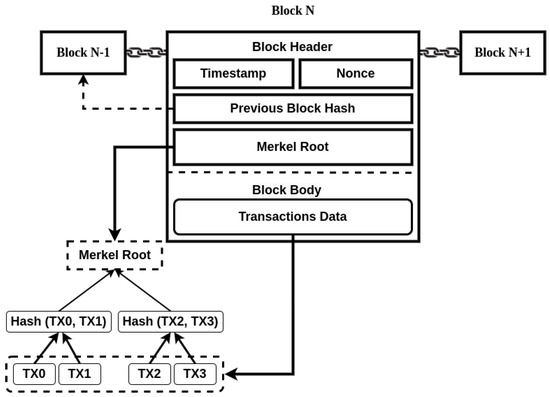
The core of any blockchain voting system is the ledger itself, which acts as a permanent, tamper-proof record of every ballot cast. Each vote is encrypted and then added to the chain, forming a block that is linked to the previous one, creating an unbroken chain of verifiable transactions. This ensures that the final tally is an accurate reflection of all votes submitted.
Smart Contracts for Election Rules
Smart contracts are self-executing contracts with the terms of the agreement directly written into code. In the context of elections, smart contracts can automate and enforce election rules, such as:
- Eligibility Checks: Automatically verify voter eligibility against their digital identity before allowing a vote to be cast.
- Voting Period Enforcement: Automatically open and close the voting window at predetermined times.
- Tallying and Verification: Automate the vote counting process based on predefined rules, ensuring accuracy and reducing human error or manipulation.
- Result Publication: Automatically publish election results once the voting period ends and all votes are tallied and verified.
Enhanced Voter Accessibility
Blockchain-based systems can significantly improve voter accessibility, particularly for citizens living abroad, those with disabilities, or individuals in remote areas. Secure online voting, facilitated by robust digital identity and cryptographic security, means voters can cast their ballots from virtually anywhere, reducing logistical barriers and potentially increasing participation.
Real-time Auditability
Because every vote is recorded on a distributed ledger, the system allows for real-time auditing. While the election is ongoing, authorized observers can monitor the number of votes cast, and once the polls close, the final tally can be verified instantly across all nodes in the network, providing unparalleled transparency and speed in result verification.
Implementing Blockchain for Elections: Practical Considerations
While the theoretical benefits of blockchain for voting are compelling, practical implementation requires careful planning and addresses several key challenges.
Pilot Programs and Scalability
- Start Small: Begin with pilot programs in smaller elections or specific districts to test the technology, identify potential issues, and gather user feedback.
- Scalability Solutions: As the number of voters grows, the blockchain must be able to handle a massive volume of transactions without slowing down. Research into various blockchain architectures (e.g., sharding, layer-2 solutions) is crucial to ensure the system can scale effectively for national elections.
- Infrastructure Development: Investing in the necessary technological infrastructure, including secure servers and network connectivity, is paramount.
Regulatory Frameworks and Public Acceptance
- Legal Recognition: Existing election laws often do not account for blockchain-based voting. New legislative frameworks are needed to legally recognize and govern these systems.
- Public Education: A significant hurdle is public understanding and acceptance. Extensive public education campaigns are essential to explain how the technology works, its benefits, and how it ensures security and privacy. Building public trust is paramount for adoption of any new electoral system.
- International Standards: Developing international standards for blockchain voting could facilitate cross-border adoption and ensure consistency in electoral integrity.
Overcoming the Digital Divide
While online voting enhances accessibility for many, it also risks excluding those without reliable internet access or digital literacy. Solutions include:
- Hybrid Systems: Implementing hybrid models that combine blockchain-based online voting with traditional paper ballots or assisted digital kiosks for those who cannot or prefer not to vote online.
- Digital Literacy Programs: Investing in educational programs to improve digital literacy across all demographics to ensure equitable access.
- Secure Kiosks: Providing secure, supervised digital kiosks at polling places or community centers to allow voters to cast their blockchain-secured ballots with assistance if needed.
Addressing Common Criticisms and Misconceptions
Despite its promise, blockchain voting faces valid criticisms and common misconceptions that must be addressed for widespread adoption.
Scalability Concerns
Critics often point to the perceived scalability limitations of public blockchains like Bitcoin or Ethereum. While true for these specific networks, dedicated private or consortium blockchains designed for voting can achieve much higher transaction throughput. Furthermore, advancements in blockchain technology, such as sharding, sidechains, and zero-knowledge proofs, are continuously improving scalability. The focus should be on building a purpose-built blockchain for the unique demands of an election, rather than shoehorning it onto existing public chains.
Voter Anonymity vs. Transparency
A key concern is how to balance the transparency of a public ledger with the need for voter anonymity. Blockchain voting systems are designed to ensure that while every vote is recorded immutably and transparently, the identity of the voter remains private. This is achieved through advanced cryptographic techniques like zero-knowledge proofs or by separating voter identity from the actual ballot on the chain. The system confirms that an eligible voter cast a ballot without revealing who cast it, preserving the secret ballot while ensuring the integrity of the vote count.
Complexity and Usability
The underlying technology of blockchain is complex, which raises concerns about usability for the average voter. However, the user interface for a blockchain voting system does not need to expose this complexity. Just as we use the internet without understanding its underlying protocols, voters would interact with a user-friendly application. The design emphasis must be on simplicity, intuitability, and accessibility, ensuring that the technology serves the voter, not the other way around.
The Future of Democratic Processes with Blockchain
The integration of blockchain technology into our electoral systems holds the potential to fundamentally redefine public trust in democratic processes. It moves beyond merely securing votes to fostering a new era of transparency, accountability, and participation.
Global Adoption Potential
As nations worldwide seek more robust electoral solutions, the proven benefits of blockchain in pilot projects could pave the way for wider international adoption. Collaborative efforts between governments, technology providers, and civil society organizations can accelerate the development of standardized, secure, and verifiable blockchain voting systems that transcend national borders, ensuring fair elections globally.
Beyond Voting: Broader Civic Engagement
The underlying principles of blockchain – transparency, immutability, and decentralization – extend beyond just casting votes. They could be applied to other forms of civic engagement, such as secure digital petitions, transparent public fund allocation, or even direct democratic initiatives. Imagine a future where citizens can securely and transparently participate in more aspects of governance, fostering a more engaged and empowered populace. This evolution towards a more verifiable and direct form of democracy is a compelling vision for the future, driven by the inherent strengths of digital ledger technology.
To further explore the potential, consider consulting with experts in secure voting systems and distributed network solutions. Organizations and governments should invest in research and development to harness the full power of this transformative technology. For more information on securing your digital infrastructure, you might explore resources on cybersecurity best practices.
Frequently Asked Questions
What makes blockchain superior to traditional voting systems for security?
Blockchain's superiority stems from its inherent features: immutability, decentralization, and cryptographic security. Unlike centralized systems prone to single points of failure and data manipulation, a blockchain distributes the ledger across many nodes, making it nearly impossible for a single entity to alter or delete votes without detection. Every vote is cryptographically linked to the previous one, creating an unalterable, transparent record. This significantly mitigates risks like ballot tampering and enhances the overall election integrity compared to traditional methods.
How does blockchain ensure voter anonymity while maintaining transparency?
Blockchain systems achieve this balance through advanced cryptographic techniques. While the fact that a vote was cast is transparently recorded on the public ledger, the voter's identity is obscured using methods like zero-knowledge proofs or by separating the voter's identity token from their ballot on the chain. This means the system can verify that an eligible person voted (one-person-one-vote) without revealing who that person was, ensuring both the secrecy of the ballot and the verifiability of the vote count.
Can blockchain voting systems be hacked?
While no system is 100% immune to all forms of attack, blockchain systems are inherently more resistant to hacking than traditional centralized systems. To compromise a blockchain, an attacker would need to gain control of a majority of the network's distributed nodes simultaneously, which is an extremely difficult and resource-intensive task. The transparency of the ledger also means that any attempt at malicious alteration would be immediately visible to all participants, making detection and mitigation far more likely than in opaque, centralized systems. The primary vulnerabilities often lie in the interfaces or identity verification layers, not the blockchain itself.
What are the biggest challenges to implementing blockchain voting on a large scale?
The biggest challenges include scalability (ensuring the system can handle millions of votes efficiently), regulatory hurdles (updating existing election laws to accommodate new technology), public acceptance and education (building trust in a new, complex system), and addressing the digital divide (ensuring equitable access for all citizens, regardless of technological literacy or internet access). Overcoming these requires significant investment in technology, policy, and public outreach.
How can a voter verify their vote on a blockchain system?
In a well-designed blockchain voting system, after casting their ballot, voters would typically receive a unique, encrypted receipt or hash. This receipt allows them to independently verify that their vote was successfully recorded on the blockchain and that it accurately reflects their choices, without revealing their identity to others. They can then check this receipt against the public ledger to confirm its presence and immutability, providing an unprecedented level of individual vote verification and contributing to overall electoral system confidence.

0 Komentar