
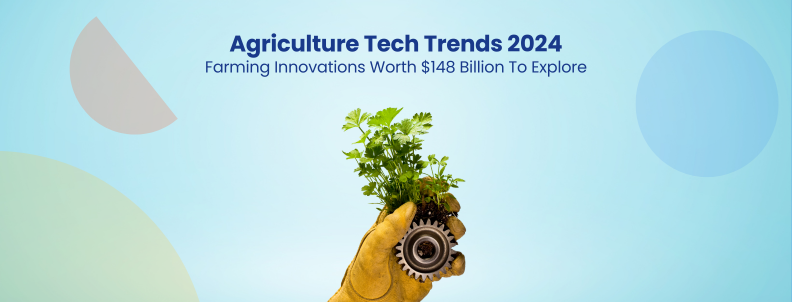
Revolutionizing the Fields: Agriculture Technology Innovations in 2025 Shaping Sustainable Food Systems
The agricultural landscape is on the cusp of a profound transformation, driven by groundbreaking agriculture technology innovations in 2025 that promise to redefine how we grow food. As global populations soar and climate change presents unprecedented challenges, the imperative for more efficient, sustainable, and resilient food systems has never been more urgent. This article delves into the cutting-edge advancements poised to revolutionize farming practices, from intelligent automation and data-driven farming to advanced biotechnologies, ensuring food security and environmental stewardship for generations to come. Prepare to explore the future of agriculture, where innovation meets necessity to cultivate a more abundant and sustainable world.
The Dawn of Hyper-Precision Agriculture: Beyond Basic Automation
In 2025, precision agriculture will move beyond its foundational concepts to embrace a hyper-localized, hyper-responsive model. This evolution is driven by an unprecedented integration of sensor technologies, advanced robotics, and real-time data analytics. Farmers will no longer just apply inputs based on zones, but on individual plant needs, leading to significant improvements in crop yield optimization and resource efficiency.
Integrated Sensor Networks and IoT for Granular Insights
- Micro-Sensors and Drones: Miniaturized sensors, deployed via autonomous drones and ground robots, will collect hyper-local data on soil moisture, nutrient levels, pest presence, and plant health at an unprecedented resolution. This goes beyond traditional field mapping, allowing for individual plant-level diagnostics.
- Real-time Environmental Monitoring: Internet of Things (IoT) devices will form dense networks across farms, providing continuous streams of environmental data. This includes micro-climatic conditions, air quality, and even specific pathogen counts, enabling immediate, targeted interventions.
- Data Fusion Platforms: Sophisticated platforms will integrate data from multiple sources – satellite imagery, weather stations, in-field sensors, and historical crop performance – to create a holistic, dynamic model of the farm ecosystem. This empowers farmers with actionable insights for every decision.
Advanced Variable Rate Technology (VRT) and Autonomous Application
The insights gleaned from hyper-precision data will directly feed into highly advanced VRT systems. Instead of uniform application, inputs like water, fertilizer, and pesticides will be delivered with pinpoint accuracy.
- Robotic Sprayers: Autonomous sprayers equipped with computer vision will identify weeds or diseased plants and apply treatments only where needed, drastically reducing chemical use and environmental impact. This is a significant leap towards sustainable agriculture.
- Precision Irrigation Systems: Smart irrigation systems, informed by real-time soil moisture maps and plant transpiration rates, will deliver water directly to the root zone of each plant, minimizing waste and conserving precious water resources. Learn more about advanced water management technologies.
- Nutrient Micro-Dosing: Based on real-time plant nutrient uptake data, specialized robotic systems will deliver precise, minute quantities of nutrients directly to the plant, ensuring optimal growth without excess runoff.
AI and Machine Learning: The Brains Behind Future Farming
Artificial Intelligence (AI) and Machine Learning (ML) are no longer theoretical concepts in agriculture; by 2025, they will be the operational backbone of smart farming. These technologies will move beyond mere data analysis to become proactive decision-making engines, predicting outcomes and optimizing processes autonomously.
Predictive Analytics for Proactive Farm Management
- Disease and Pest Prediction: AI models, trained on vast datasets of environmental conditions, historical outbreaks, and sensor data, will predict the likelihood of disease or pest infestations days or even weeks in advance. This allows for preventative measures rather than reactive treatments, saving crops and reducing reliance on harsh chemicals.
- Yield Forecasting and Optimization: ML algorithms will provide highly accurate yield predictions throughout the growing season, helping farmers make informed decisions about planting, harvesting, and market strategies. These models will also suggest optimal planting densities, nutrient regimes, and light exposure for maximum yield.
- Automated Crop Monitoring and Health Assessment: Drones equipped with hyperspectral cameras and AI-powered image recognition will continuously monitor crop health, identifying subtle signs of stress, nutrient deficiencies, or disease long before they are visible to the human eye. This enables timely, targeted intervention.
Agricultural Robotics and Autonomous Systems
The field will become a stage for an array of specialized agricultural robotics and autonomous vehicles, performing tasks with unparalleled precision and efficiency.
- Autonomous Planting and Weeding Robots: Small, agile robots will precisely plant seeds at optimal depths and spacing. Other robots will use vision systems to distinguish weeds from crops and remove them mechanically or with micro-doses of herbicide, significantly reducing labor costs and chemical usage.
- Harvesting Bots: Specialized robots are being developed for delicate tasks like harvesting fruits and vegetables, which are typically labor-intensive. These bots will use soft grippers and advanced vision to identify ripe produce and pick it without damage, extending shelf life and reducing waste.
- Drone-Based Application Systems: Beyond monitoring, drones will be used for highly targeted spraying of fertilizers, pesticides, or even beneficial insects. Their ability to navigate complex terrains and deliver inputs precisely will be a game-changer for large-scale operations.
Biotechnology and Genetic Engineering: Cultivating Resilience
By 2025, advances in biotechnology will empower farmers with crops that are inherently more resilient, nutritious, and environmentally friendly. Genetic engineering, particularly CRISPR technology, will play a pivotal role in accelerating these developments.
CRISPR-Edited Crops for Enhanced Traits
- Drought and Heat Tolerance: Crops engineered with enhanced resilience to extreme weather conditions will be crucial in mitigating the impacts of climate change. These varieties will require less water and thrive in higher temperatures, crucial for regions facing water scarcity.
- Pest and Disease Resistance: Through precise gene editing, crops will be endowed with natural defenses against common pests and diseases, reducing the need for chemical interventions and ensuring more stable yields. This is a critical component of resource efficiency in modern agriculture.
- Improved Nutritional Value: Biotechnology will enable the development of "super crops" with enhanced vitamin, mineral, and protein content, directly addressing malnutrition and improving global health outcomes.
Bio-Pesticides and Bio-Fertilizers
The focus will shift from synthetic chemicals to biological solutions, fostering healthier soil ecosystems and reducing environmental pollution.
- Microbial Inoculants: Advanced formulations of beneficial microbes will be used to enhance nutrient uptake, improve soil structure, and suppress pathogens naturally. These act as living, sustainable fertilizers and pest deterrents.
- Targeted Bio-Pesticides: Research into highly specific bio-pesticides derived from natural sources will provide effective pest control without harming beneficial insects or the environment, aligning with principles of ecological farming.
Sustainable Agriculture: Controlled Environment and Resource Optimization
The push for sustainability will drive widespread adoption of controlled environment agriculture (CEA) and innovative resource management techniques, particularly in urban and peri-urban areas.
Vertical Farming and Hydroponics/Aeroponics at Scale
- Urban Integration: Vertical farming will become a more common sight in city centers, utilizing abandoned buildings or purpose-built structures to grow fresh produce year-round, significantly reducing transportation costs and carbon footprint.
- Resource Conservation: Hydroponic and aeroponic systems, which grow plants without soil using nutrient-rich water or mist, will dramatically reduce water consumption – up to 95% less than traditional farming. They also allow for precise nutrient delivery and faster growth cycles.
- Energy Efficiency: Innovations in LED lighting, HVAC systems, and renewable energy integration will make CEA more energy-efficient and economically viable, further cementing its role in climate-resilient crops strategies.
Advanced Water and Energy Management
Beyond traditional irrigation, 2025 will see highly sophisticated systems for managing water and energy on farms.
- Closed-Loop Water Systems: Water recycling and purification technologies will become standard, especially in CEA, ensuring minimal water loss and contamination.
- Renewable Energy Integration: Solar, wind, and even biomass energy generation will be increasingly integrated into farm operations, powering everything from irrigation pumps to autonomous machinery, reducing reliance on fossil fuels.
- Waste-to-Energy Solutions: Agricultural waste, such as crop residues and animal manure, will be converted into biogas or other forms of energy, creating a circular economy on the farm and reducing waste disposal issues.
Blockchain and Traceability: Building Trust in the Supply Chain
As consumers demand greater transparency about where their food comes from, blockchain technology will become instrumental in creating an immutable, verifiable record of agricultural products from farm to fork.
Enhanced Food Safety and Authenticity
- Immutable Records: Each step of the food journey – planting, harvesting, processing, packaging, shipping – will be recorded on a blockchain. This provides an unalterable ledger, enhancing trust and accountability.
- Rapid Recall Management: In the event of a food safety issue, blockchain’s transparent record allows for rapid identification of the source and affected batches, minimizing public health risks and economic losses.
- Consumer Empowerment: Consumers will be able to scan QR codes on products to access detailed information about their food's origin, farming practices, and journey, fostering greater confidence and supporting ethical sourcing. This is a key aspect of modern agritech innovations.
The Human Element: Upskilling and Adoption Challenges
While technology offers immense promise, the successful implementation of these next-gen agricultural solutions hinges on the human element. Farmers and agricultural workers will require new skills, and the industry must address adoption barriers.
Actionable Tips for Farmers and Agri-Businesses
- Invest in Digital Literacy: Farmers should prioritize learning about data analytics, IoT platforms, and AI applications. Online courses, workshops, and agricultural extension programs will be vital resources.
- Start Small, Scale Up: Instead of overhauling entire operations, begin by integrating one or two key technologies, such as soil sensors or drone mapping, and gradually expand as expertise and confidence grow.
- Collaborate with Agritech Startups: Many agritech startups offer innovative solutions and support services. Forming partnerships can provide access to cutting-edge technology and expert guidance without massive upfront investment. Explore emerging agritech companies.
- Focus on Data Integration: Ensure that new technologies can seamlessly integrate with existing systems to avoid data silos and maximize the value of collected information. A unified data platform is crucial for holistic farm management.
- Prioritize Training and Skill Development: For larger operations, invest in training programs for farm staff to ensure they are proficient in operating and maintaining new robotic and AI-driven systems.
Frequently Asked Questions
What are the key agriculture technology innovations expected by 2025?
By 2025, the key agriculture technology innovations are centered around hyper-precision agriculture using advanced sensors and IoT, widespread adoption of AI and Machine Learning for predictive analytics and autonomous operations, cutting-edge biotechnology for resilient crops, and the scaling of sustainable practices like vertical farming. Blockchain technology will also play a crucial role in enhancing food traceability and trust.
How will AI transform farming in the coming years?
AI will transform farming by enabling data-driven decision-making through predictive analytics for disease and pest outbreaks, optimized yield forecasting, and automated crop monitoring. It will power autonomous agricultural robotics for precise planting, weeding, and harvesting, significantly reducing labor costs and resource waste, leading to more efficient and sustainable agriculture practices.
What role does sustainable agriculture play in these innovations?
Sustainable agriculture is at the core of these innovations. Technologies like smart irrigation, nutrient micro-dosing, vertical farming, and bio-pesticides are designed to minimize environmental impact, conserve resources, and enhance the long-term viability of farming. These advancements aim to reduce water usage, chemical runoff, carbon footprint, and land degradation, fostering resource efficiency and environmental stewardship.
How can farmers adopt these new technologies effectively?
Effective adoption requires farmers to embrace digital literacy, start with manageable pilot projects, and explore collaborations with agritech startups for specialized solutions. Focusing on data integration to create a unified view of farm operations is crucial, along with investing in continuous training for staff to manage and leverage these advanced future farming technologies. Prioritizing scalable solutions that offer clear ROI will also facilitate smoother transitions.

0 Komentar