
Revolutionizing Retail: How IoT Platforms Power Smart Store Solutions
In the fiercely competitive landscape of modern commerce, brick-and-mortar stores are undergoing a profound digital transformation. The key to unlocking unparalleled efficiency, enhancing the customer experience, and driving significant growth lies in the strategic adoption of Internet of Things (IoT) technologies. Specifically, robust IoT platforms for developing IoT solutions for smart retail stores are becoming indispensable. These sophisticated systems act as the central nervous system for connected retail environments, enabling everything from real-time inventory management to personalized customer engagement. Dive into how these platforms are reshaping the future of shopping, delivering actionable retail analytics, and creating truly intelligent retail operations.
The Transformative Power of IoT in Smart Retail Environments
The vision of a smart retail store is one where every aspect of operations, from supply chain logistics to in-store customer journeys, is optimized through data-driven insights. IoT makes this vision a reality. By deploying a network of sensors, cameras, RFID tags, and smart devices, retailers can gather unprecedented amounts of data, converting raw information into strategic advantages. This isn't just about efficiency; it's about creating a more dynamic, responsive, and ultimately more profitable retail ecosystem. From optimizing energy consumption to understanding customer behavior with granular detail, IoT provides the foundational technology for a truly intelligent store. The right IoT platform is the bridge that connects these disparate devices, processes their data, and makes it actionable.
Key Benefits of Adopting IoT Platforms in Retail:
- Enhanced Customer Experience: Personalization through beacon technology, smart mirrors, queue management systems, and interactive displays.
- Optimized Inventory Management: Real-time stock levels, automated reordering, reduced shrinkage, and improved shelf availability.
- Increased Operational Efficiency: Predictive maintenance for equipment, energy management, staff optimization based on foot traffic, and streamlined checkout processes.
- Superior Retail Analytics: Deep insights into sales trends, customer pathways, product performance, and store layout effectiveness.
- Loss Prevention: Advanced security monitoring, anomaly detection, and theft deterrents.
- Supply Chain Optimization: End-to-end visibility, cold chain monitoring, and improved logistics.
Understanding IoT Platforms: The Backbone of Smart Retail Solutions
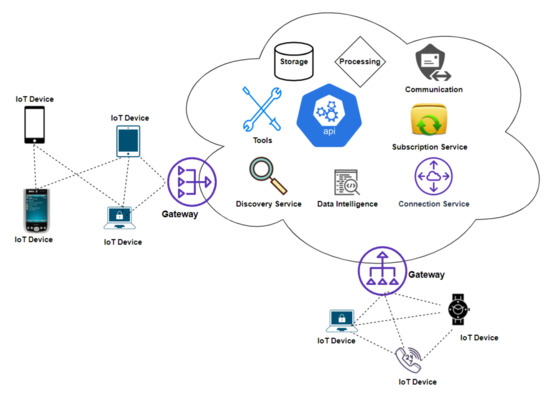
An IoT platform is a multi-layered software suite that facilitates the connection, management, and data processing of IoT devices. For retail, these platforms are tailored to handle the unique challenges and opportunities of a store environment. They provide the necessary infrastructure to ingest data from thousands of sensors, process it, apply analytics, and then deliver it to applications that drive business value. Without a robust platform, managing a complex IoT deployment would be akin to navigating a large city without a map.
Core Components of a Retail-Focused IoT Platform:
- Device Connectivity & Management: This layer handles the onboarding, authentication, monitoring, and remote management of all connected devices – from RFID readers and smart sensors to digital signage and security cameras. It ensures seamless communication regardless of the underlying protocol (Wi-Fi, Bluetooth, Zigbee, LoRaWAN, 5G, etc.).
- Data Ingestion & Processing: The platform must be capable of collecting massive volumes of data from diverse sources in real-time. This raw data is then cleaned, filtered, and transformed into a usable format. This often involves edge computing capabilities to process data closer to the source, reducing latency and bandwidth usage.
- Analytics & Business Intelligence: This is where raw data transforms into actionable insights. Advanced analytics modules, often incorporating AI and Machine Learning (ML), identify patterns, predict trends, and generate reports on everything from customer foot traffic to equipment health.
- Application Enablement & Development: IoT platforms provide APIs (Application Programming Interfaces) and SDKs (Software Development Kits) that allow developers to build custom retail applications. Whether it's an app for real-time stock alerts or a dashboard for monitoring store energy consumption, this layer accelerates development.
- Security & Data Privacy: Given the sensitive nature of retail data (customer information, sales figures, operational details), robust security is paramount. Platforms must offer end-to-end encryption, access control, anomaly detection, and compliance with regulations like GDPR or CCPA.
- Integration Capabilities: A truly effective retail IoT platform must integrate seamlessly with existing enterprise systems such as ERP (Enterprise Resource Planning), CRM (Customer Relationship Management), POS integration (Point of Sale), and supply chain management software.
Key IoT Solutions Enabled by Platforms in Smart Retail
The versatility of IoT platforms allows retailers to implement a wide array of solutions, each designed to address specific pain points and create new opportunities.
1. Enhancing Customer Experience and Personalization
Modern consumers expect more than just products; they demand experiences. IoT platforms facilitate:
- Personalized Marketing: Using beacon technology and Wi-Fi analytics, retailers can send targeted promotions to customers' smartphones as they browse specific departments.
- Interactive Displays & Smart Mirrors: Platforms power interactive screens that offer product information, virtual try-ons, and personalized recommendations, improving engagement and reducing friction.
- Queue Management: Sensors monitor queue lengths, allowing staff to be deployed efficiently and reducing customer wait times, significantly improving satisfaction.
- Location-Based Services: Helping customers navigate large stores, find specific products, or receive recommendations based on their current location.
2. Optimizing Inventory Management and Supply Chain Visibility
One of the most immediate and impactful applications of IoT in retail is in optimizing inventory.
- Real-Time Inventory Tracking: RFID tags and smart shelves provide accurate, up-to-the-minute stock counts, minimizing out-of-stock situations and overstocking.
- Automated Replenishment: When stock levels drop below a threshold, the IoT platform can trigger automated reorder alerts or even integrate directly with supplier systems for seamless replenishment.
- Loss Prevention: Tracking items from warehouse to shelf helps identify discrepancies and reduce shrinkage.
- Cold Chain Monitoring: For grocery or perishable goods, sensors monitor temperature and humidity throughout the supply chain, ensuring product quality and compliance.
3. Boosting Operational Efficiency and Predictive Maintenance
Beyond customer-facing applications, IoT platforms significantly streamline back-end operations.
- Energy Management: Smart sensors monitor lighting, HVAC, and refrigeration units, optimizing energy consumption and reducing utility costs.
- Predictive Maintenance: Monitoring the performance of critical store equipment (refrigerators, HVAC systems, escalators, POS terminals) allows for proactive maintenance, preventing costly breakdowns and ensuring continuous operations. This reduces downtime and extends asset lifespan.
- Staff Optimization: Foot traffic analysis helps retailers understand peak hours and busy zones, allowing for optimal staff deployment and improved service levels.
4. Advanced Retail Analytics and Business Intelligence
The true power of an IoT platform lies in its ability to transform raw data into powerful insights.
- Customer Journey Mapping: Track customer paths within the store, identifying popular areas, dwell times, and conversion points.
- Product Performance: Analyze which products are browsed, picked up, and ultimately purchased, providing invaluable data for merchandising and promotions.
- Store Performance Benchmarking: Compare performance across multiple store locations to identify best practices and areas for improvement.
- Security and Loss Prevention: Integrated smart cameras with AI capabilities can detect unusual activity, identify shoplifting attempts, and monitor access points, providing enhanced security and reducing losses.
Choosing the Right IoT Platform for Your Smart Retail Store
Selecting the ideal IoT platform for developing IoT solutions for smart retail stores is a critical decision. It requires careful consideration of current needs, future scalability, and integration with existing infrastructure. Here are key factors to evaluate:
1. Scalability and Flexibility
Your chosen platform must be able to scale seamlessly as your IoT deployment grows, accommodating more devices, data volume, and locations without compromising performance. It should also be flexible enough to adapt to new technologies and evolving business needs.
2. Robust Security and Data Privacy
Given the sensitive nature of retail data, prioritize platforms with end-to-end encryption, strong authentication mechanisms, granular access controls, and a clear commitment to data privacy compliance (e.g., GDPR, CCPA). A platform that offers anomaly detection can also be crucial for identifying potential security breaches.
3. Ease of Integration
The platform must integrate effortlessly with your existing ERP, CRM, POS, and supply chain management systems. Look for extensive API support and a history of successful integrations in the retail sector.
4. Comprehensive Analytics and AI Capabilities
The ability to transform raw data into actionable real-time insights is paramount. Evaluate the platform's built-in analytics tools, AI/ML capabilities for predictive modeling, and options for custom report generation. Does it support descriptive, diagnostic, predictive, and prescriptive analytics?
5. Edge Computing Capabilities
For applications requiring low latency and high data volume processing (e.g., in-store video analytics, immediate alerts), edge computing is vital. A platform that supports processing data at the edge reduces reliance on the cloud, improving speed and reducing bandwidth costs.
6. Cost-Effectiveness and TCO (Total Cost of Ownership)
Beyond initial licensing fees, consider the long-term costs associated with data storage, processing, bandwidth, maintenance, and support. A transparent pricing model is essential.
7. Vendor Support and Ecosystem
Assess the vendor's reputation, technical support, and the strength of their partner ecosystem. A strong community and readily available resources can be invaluable during deployment and ongoing operations.
Practical Advice for Implementation:
- Start Small, Think Big: Begin with a pilot project in a single store or department to validate your chosen platform and solution. Learn from this experience before a wider rollout.
- Define Clear KPIs: Before deployment, establish specific, measurable KPIs (Key Performance Indicators) to track the success of your IoT initiatives.
- Prioritize Data Governance: Implement clear policies for data collection, storage, usage, and security from the outset.
- Train Your Staff: Ensure your employees are well-versed in the new technologies and understand how they contribute to improved operations and customer service.
- Focus on ROI: Continuously monitor the return on investment (ROI) of your IoT solutions to justify ongoing investment and identify areas for optimization.
Frequently Asked Questions
What is an IoT platform for smart retail?
An IoT platform for smart retail is a comprehensive software suite that enables retailers to connect, manage, and process data from various IoT devices within their stores and supply chains. It serves as the central hub for collecting data from sensors, cameras, RFID tags, and other smart devices, then uses this data to provide actionable insights for improving customer experience, optimizing inventory management, enhancing operational efficiency, and boosting retail analytics.
How do IoT platforms enhance customer experience in retail?
IoT platforms significantly enhance customer experience by enabling personalized interactions and streamlined services. They power solutions like beacon technology for targeted promotions, smart mirrors for virtual try-ons, and sensors for queue management. By analyzing customer behavior and foot traffic data, retailers can optimize store layouts, offer relevant product recommendations, and ensure a smoother, more engaging shopping journey, leading to higher satisfaction and loyalty.
What are the main security considerations when using IoT platforms in retail?
Security is paramount for IoT platforms in retail due to the sensitive nature of customer and operational data. Key considerations include end-to-end data encryption, robust device authentication to prevent unauthorized access, granular access controls, and continuous monitoring for anomalies or potential breaches. Adherence to data privacy regulations (like GDPR) and implementing secure coding practices are also critical to protect consumer information and maintain trust.

0 Komentar